

So, you’re scrolling through travel ideas, and suddenly – Azerbaijan pops up. You’ve heard the name and maybe seen a photo of Baku’s futuristic skyline, but what’s the deal with this country straddling Europe and Asia?
Well, let’s get to know more about this amazing country by discussing 15 mind-blowing facts about this country that’ll make you Google “how to get an Azerbaijan visa” before you finish reading.
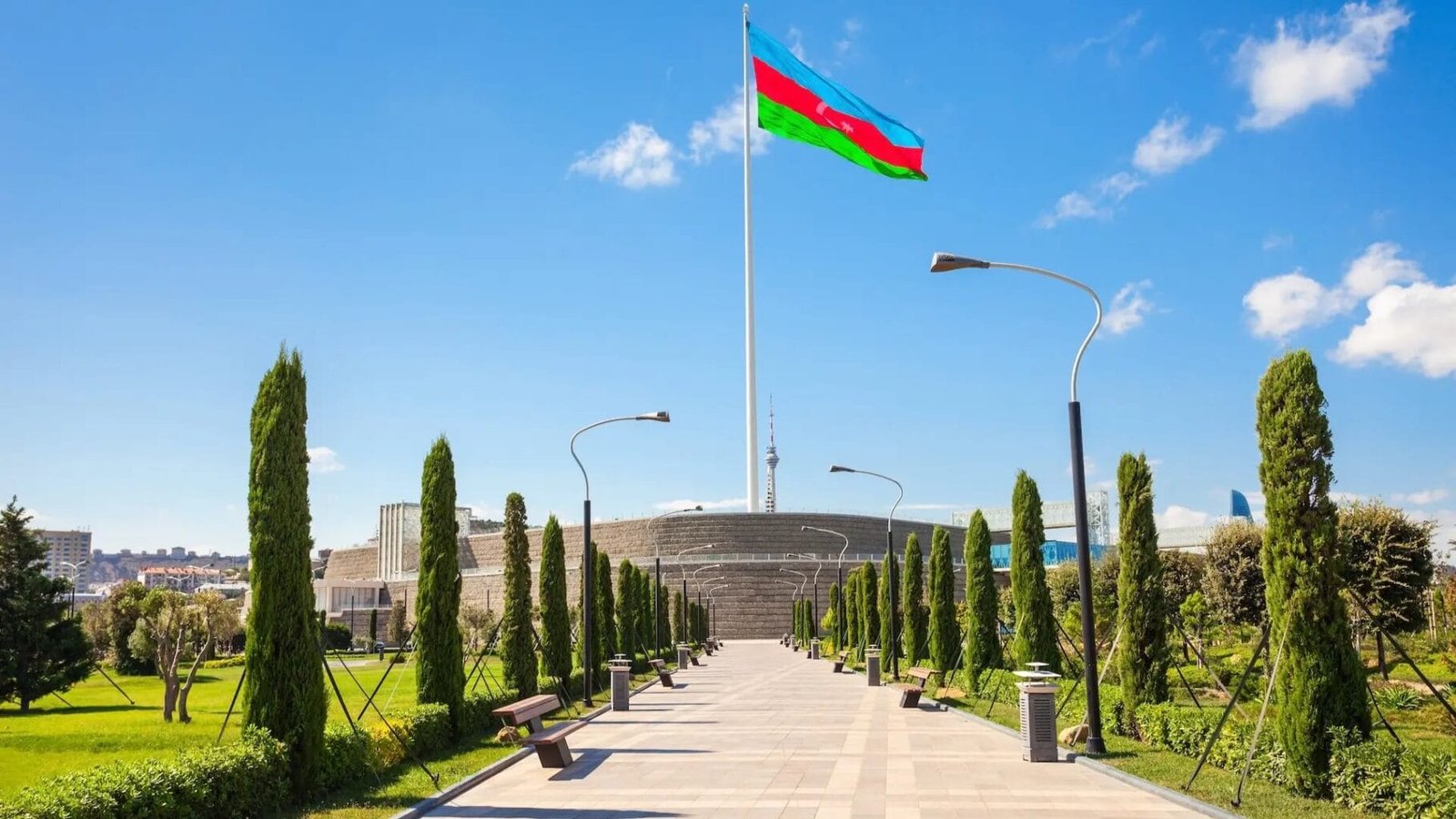
By the way, you can easily obtain this visa without any hassle at visaforazerbaijan.org.uk.
1. The Land Where Fire Literally Doesn’t Quit
This country’s official nickname, the “Land of Fire,” demonstrates why it receives this moniker perfectly. The original Persian phrase Azerbaijan signifies “fire protector.” For centuries, this region has had persistent flame activity, and the natural gas vents at Yanar Dağ spontaneously ignite, leading to a four-thousand-year continuous flame.
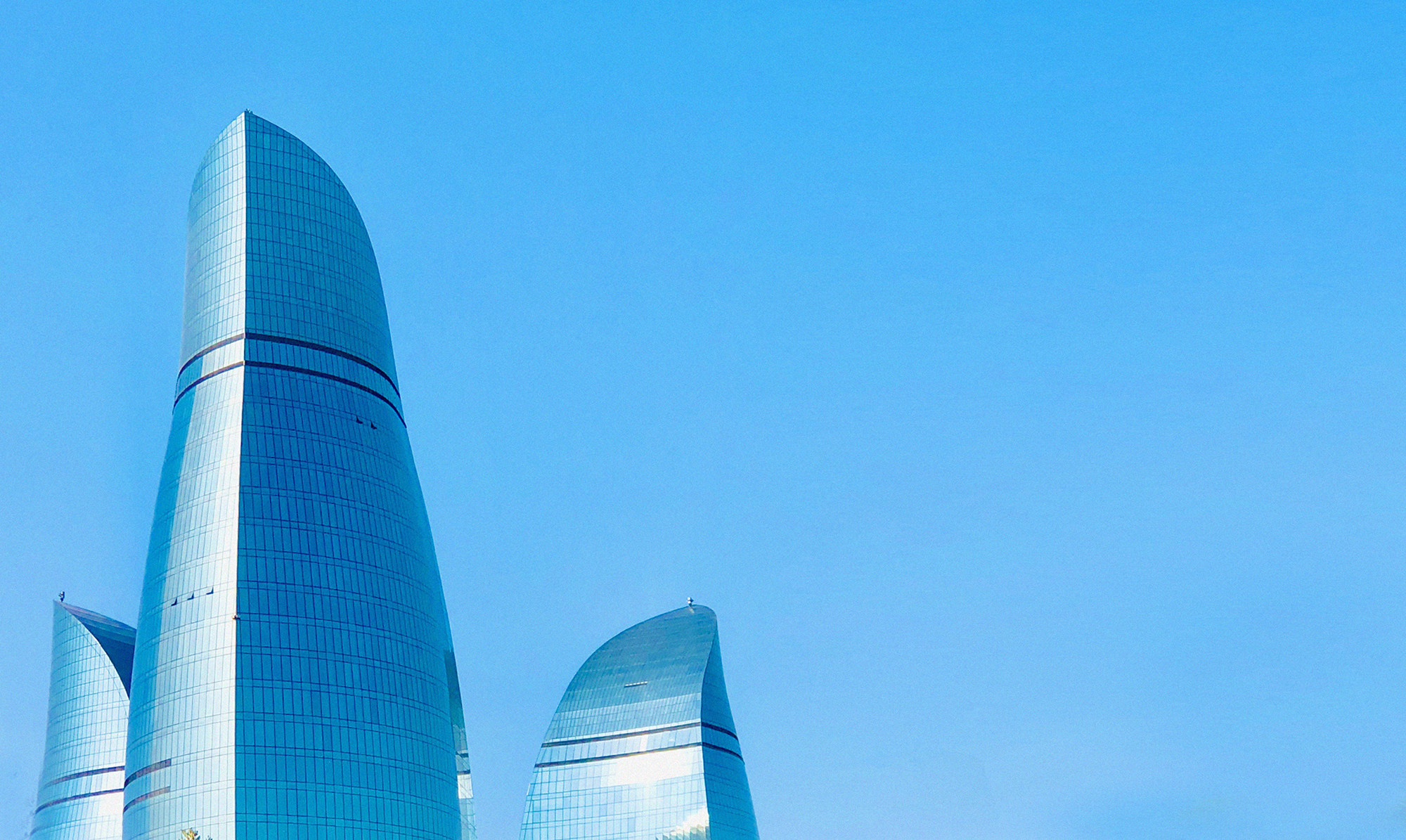
The Flame Towers stand as the main identifying structures in Baku’s city view because they represent three skyscrapers in the shape of burning flames. Azerbaijan dedicates relentless focus to its fire-flamed theme. But wait – there’s more! The site was vital for Zoroastrian beliefs because of its fire-centered rituals in what later became this ancient religion.
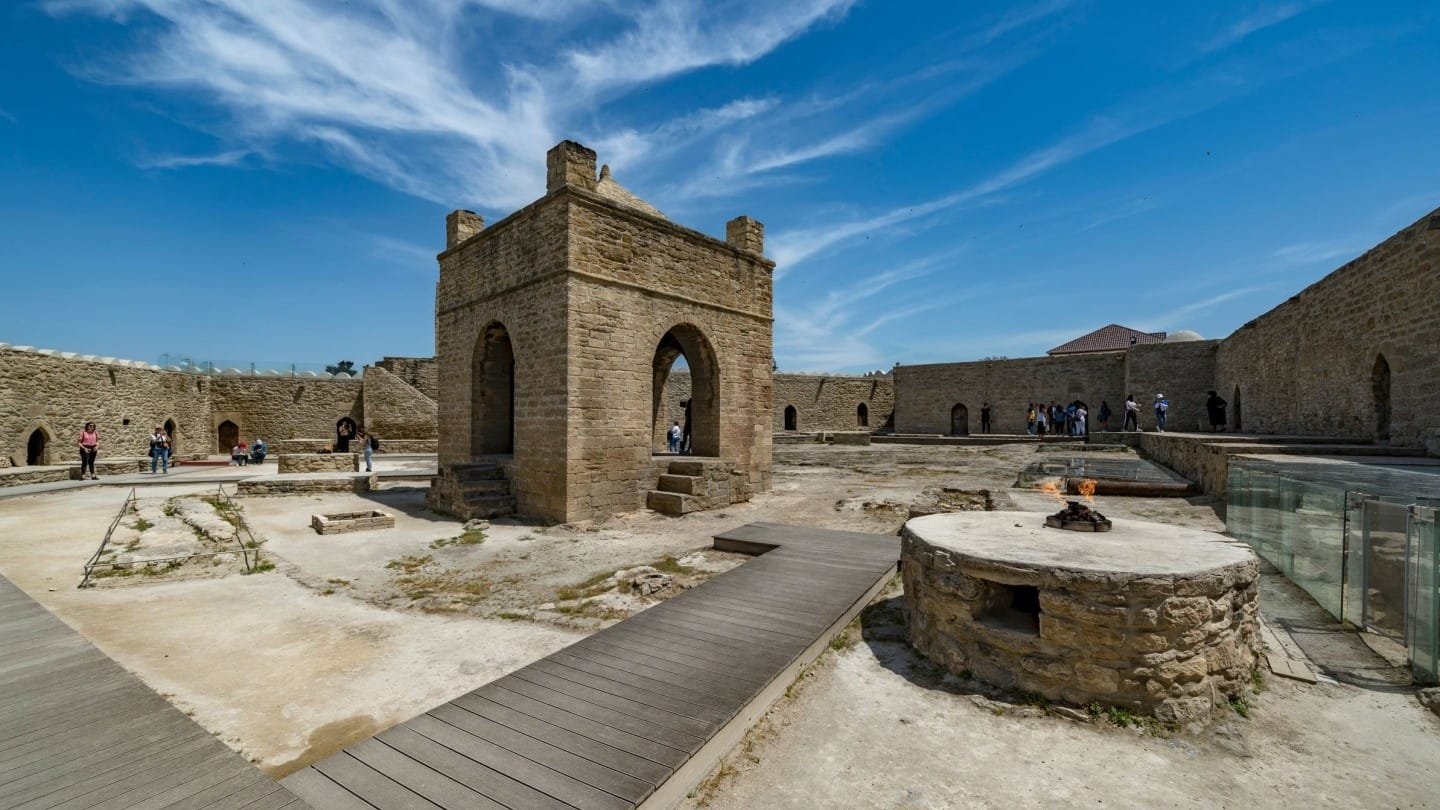
The Ateshgah Fire Temple, situated near Baku, attracted Hindu and Sikh traders during the 17th century because it surrounded its natural flames. The historical passion of fire continues to flourish throughout Azerbaijan through cultural events and artistic manifestations alongside its state symbol.
2. Women Voting Before It Was Cool (Like Way Before)
The country made history when it became the original Muslim state that provided women with suffrage rights in 1918. Yep, two years before the U.S. and decades ahead of many European nations. Later the Azerbaijan Democratic Republic became the world’s first secular progressive state, which remained years in advance of its contemporaries.
The Soviet Union took control of it in 1920 despite the historic achievement of granting women the right to vote in 1918. Pure trailblazing energy. Amina Dilbazi, along with other women activists, took leadership roles in implementing political and educational reforms.
Women proceeded directly to parliament chambers following the decision to grant them political representation under the Azerbaijan Democratic Republic. Women here honor their feminist history through public artwork and educational awards, which are combined with various enabling laws aimed at female empowerment.
3. Mud Volcanoes: Nature’s Gurgle-Fest
Azerbaijan is the prime destination for witnessing Earth’s natural gas emissions. The nation leads the world as the “Mud Volcano Capital” and counts over 350 gloopy geological wonders within its borders.
Mud volcanoes appear in two contrasting styles: flat caldera-shaped sides or they violently erupt. According to locals, the volcanic mud contains healing benefits, even though I would not opt for mud therapy if you dislike sulfur spa aromas.
The geological curiosities in Azerbaijan possess both scientific value and their unique appearance. Mud volcanoes on its territory make up roughly 47 percent of all the world’s existing geological features. The Lokbatan Mud Volcano receives the “Everest of Mud Volcanoes” name because it periodically explodes with fire and thick mud reaching into the sky.
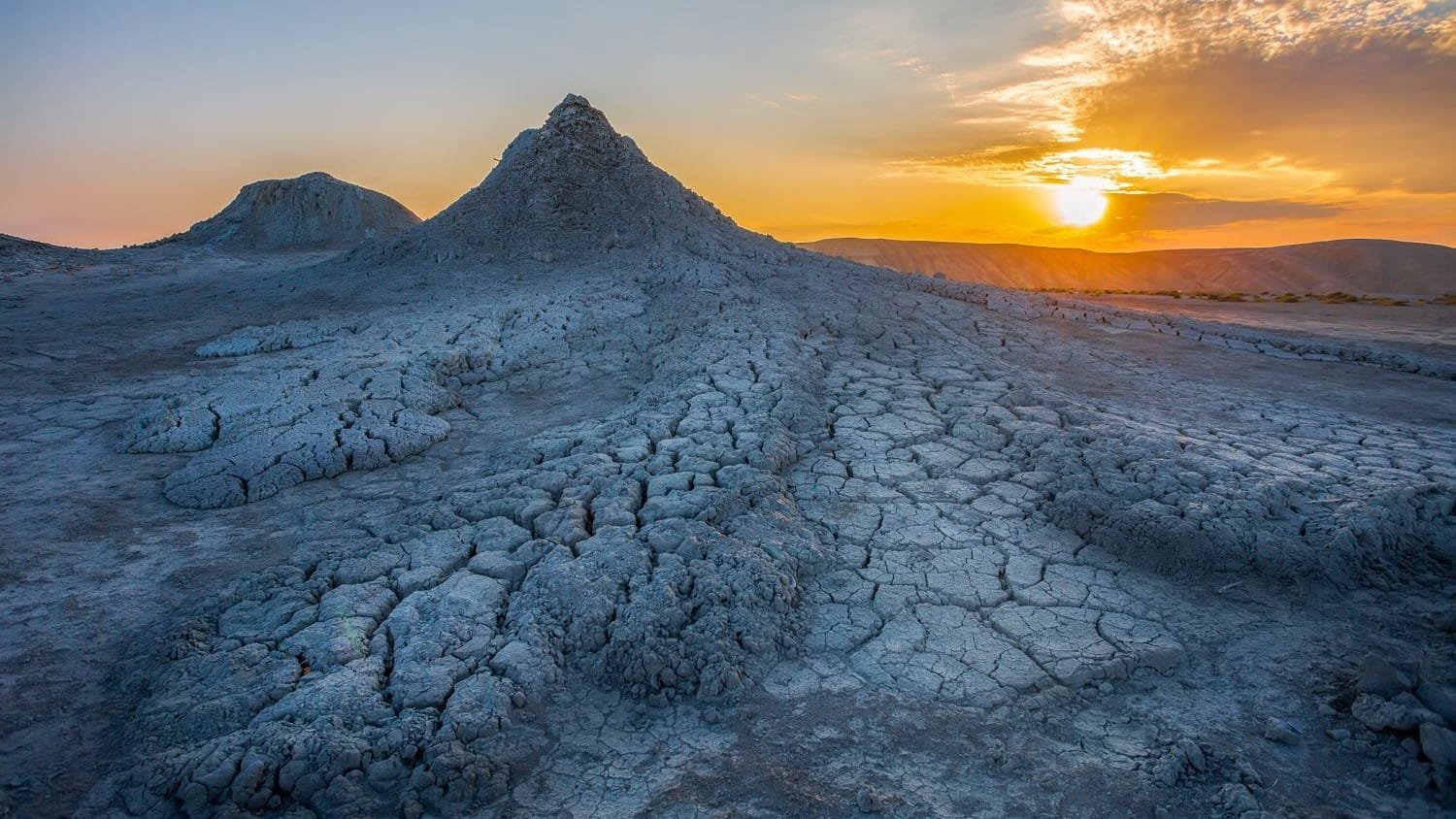
Scientists examine these formations to investigate Martian surface characteristics because their geological structure matches that of Mars. Visits to these sites remain cost-free, but visitors must bring their own shoes.
4. Tiny Books, Big Obsession
Literary enthusiasts will find their ultimate dream destination at the Museum of Miniature Books in Baku. It remains the one and only facility of its kind devoted to small literary works with its 5,500 miniature book collection. The miniaturized version of War and Peace sits within a matchbox at this establishment.
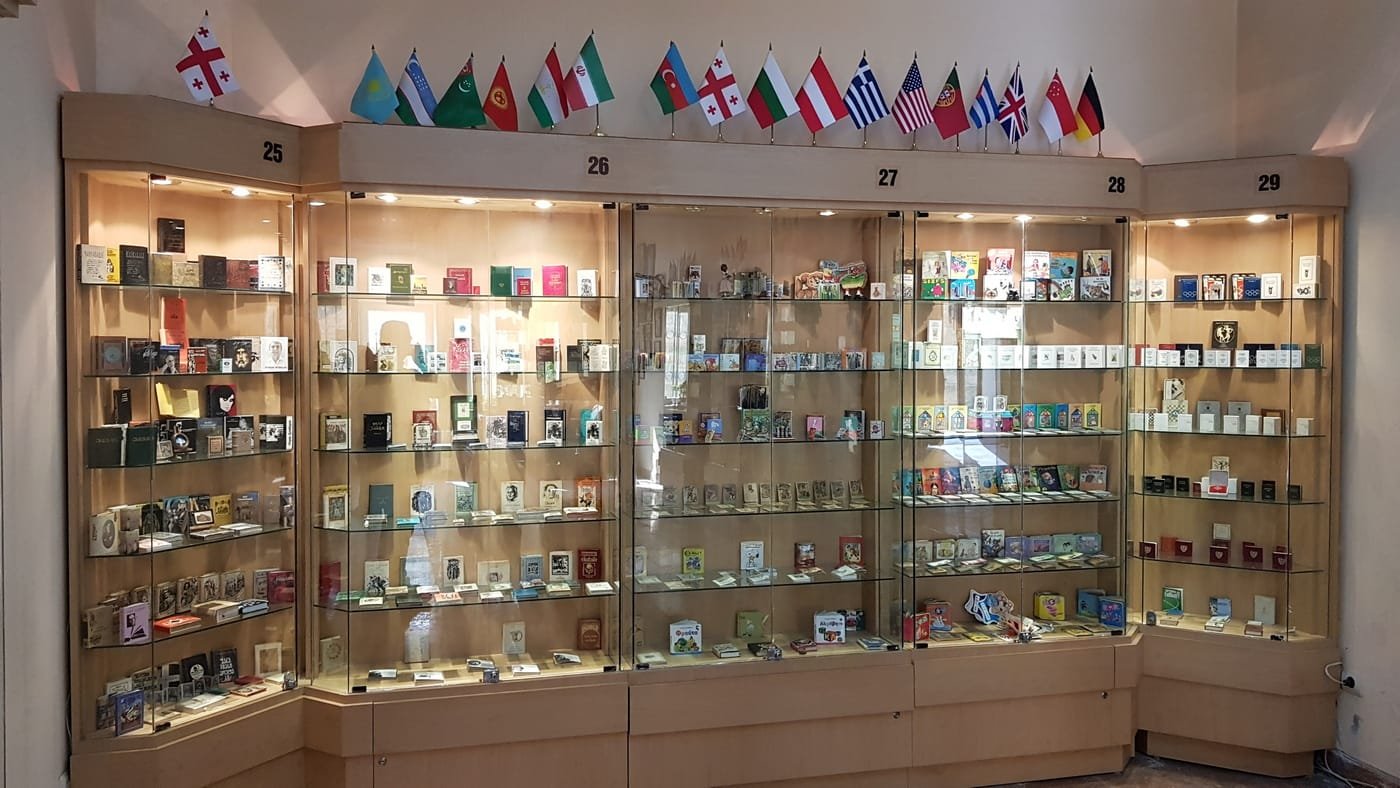
Located within the UNESCO-listed Old City of Baku, the museum demonstrates Azerbaijan’s ability to unite traditional historical sites with unique and trendy interests.
The museum was established by Zarifa Salahova in 2002 to host a collection that contains books from different centuries and languages, beginning with a tiny 17th-century Quran, which is smaller than a stamp. Thrilling to grasp are specific books, while alternative titles are inscribed on rice grains. The expression shows both human determination and Azerbaijan’s skill to protect arts within specialized categories.
5. Oil? They Invented the Game
Ever wondered what Azerbaijan is famous for economically? Oil. So. Much. Oil. By 1901, Baku’s oil fields supplied half the world’s oil. During WWII, 75% of the Soviet Union’s oil came from here, fueling tanks that helped crush the Nazis. Oh, and the world’s first oil tanker? Launched in Baku in 1879. The Nobel brothers (yes, those Nobles) made fortunes here, kickstarting modern oil drilling.
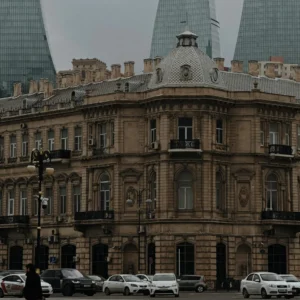
Fun fact: Alfred Nobel’s rifle business led him to Azerbaijan’s ironwood trees, which then led him to Baku’s oil boom. Talk about a career pivot! The oil rush transformed Baku into a cosmopolitan hub, earning it the nickname “Paris of the East.” Mansions built by oil barons still line the streets, and the Baku Oil Fields remain a symbol of innovation – today, the country’s investing in renewable energy to keep its legacy alive.
6. Beaches with Black Sand (And Healing Vibes)
Azerbaijan’s Caspian Sea coastline isn’t just for yacht parties. Head south to Lankaran, where beaches have jet-black volcanic sand that is said to cure joint pain and rheumatism. The water’s clearer here, and the vibe? Think “unusual spa day” meets “moody Instagram backdrop.” The sand’s color comes from eroded volcanic rock, rich in minerals like magnetite.
Locals bury themselves in it for detoxifying “sand baths,” a practice dating back centuries. Nearby, subtropical forests and tea plantations add to the region’s allure. Want luxury? Resorts like Jalilabad offer mud treatments and thermal springs. It’s proof that Azerbaijan’s natural wonders are as diverse as its history.
7. Architecture That Defies Gravity (and Straight Lines)
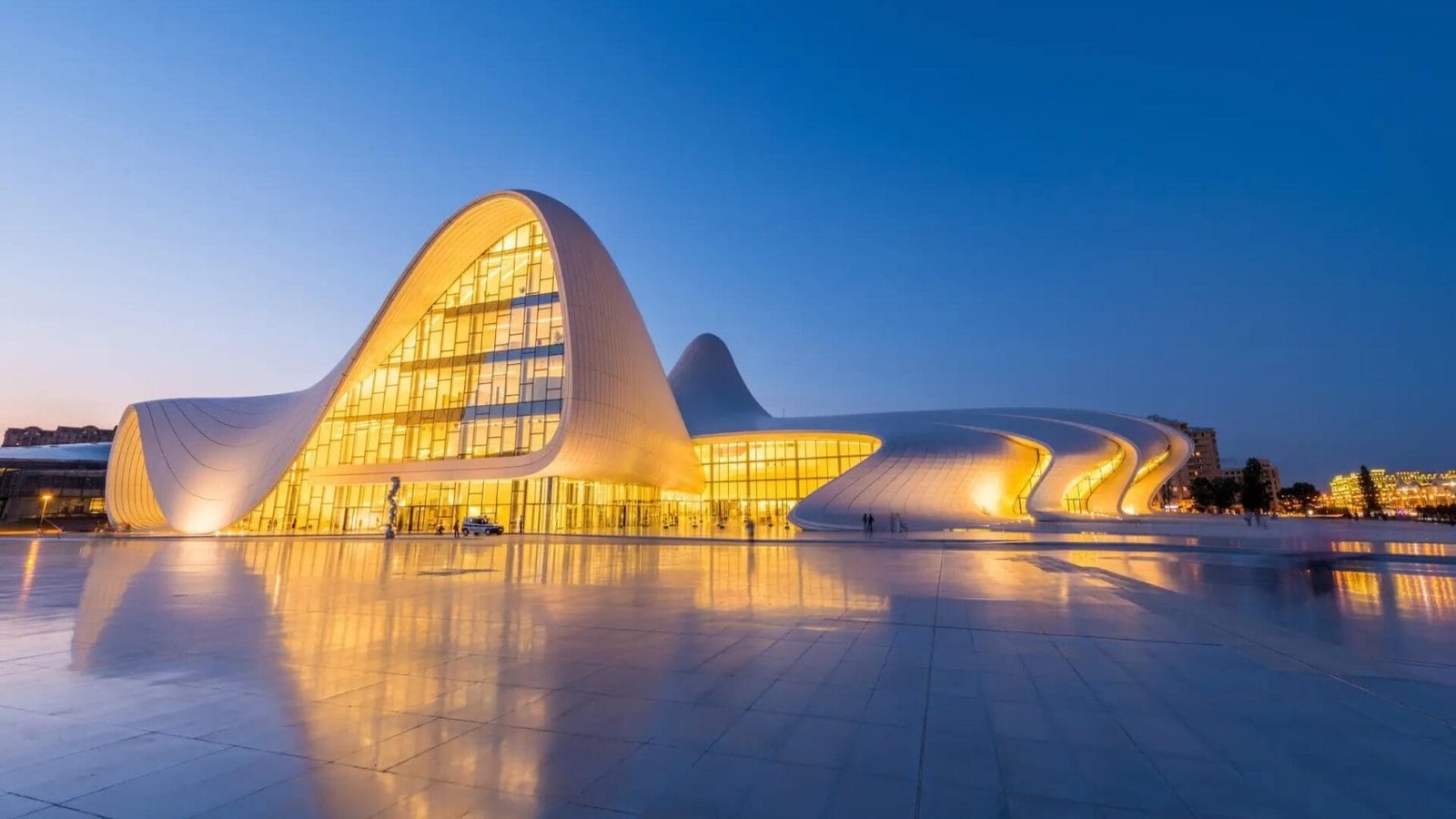
Zaha Hadid’s Heydar Aliyev Centre in Baku looks like a frozen wave. This swooping, curvaceous masterpiece won “Design of the Year” in 2014, and not a single straight line was used. Inside, it’s a cultural hub with museums and exhibits. Outside, it’s proof that Azerbaijan’s architecture is as bold as its history.
Read also: Explore the Heydar Aliyev Center: A Cultural and Architectural Marvel
The building’s fluid design symbolizes the country’s blend of tradition and modernity. Constructed with 12,000 unique panels, it withstands earthquakes and desert winds. Exhibits range from Azerbaijani folk art to cutting-edge tech – mirroring the nation’s journey from Silk Road crossroads to oil powerhouse.
At night, LED lights make it glow like a spaceship, cementing Baku’s rep as the “Dubai of the Caucasus.”
8. The Karabakh Horse: Fit for a Queen
Azerbaijan’s Karabakh horse is like the Ferrari of steeds – sleek, chestnut-coated, and bred for speed. These horses are so iconic that Queen Elizabeth II received one as a gift in 1956.
Sadly, wars in the Karabakh region dwindled their numbers, but breeding programs are bringing these noble creatures back. Known for endurance and agility, Karabakhs was the mount of choice for Azerbaijani khans and warriors. Their golden-red hue even inspired local folklore, linking them to fire symbolism. Today, you can see them at the Agstafa Horse Farm or during national festivals, where they parade in traditional regalia. They’re not just animals; they’re living emblems of pride and resilience.
9. Carpets Aren’t Just for Floors Here
Forget IKEA; Azerbaijan takes carpets seriously. The country’s carpet-weaving tradition dates back millennia, with seven distinct regional styles. Baku’s Carpet Museum, shaped like a rolled-up rug, houses ancient masterpieces. UNESCO even recognizes the craft as an intangible cultural heritage. Pro tip: Don’t call them “rugs.” They’re art. Each pattern tells a story – floral motifs symbolize nature, geometric designs reflect Islamic art, and dragon carpets (yes, dragons) ward off evil.
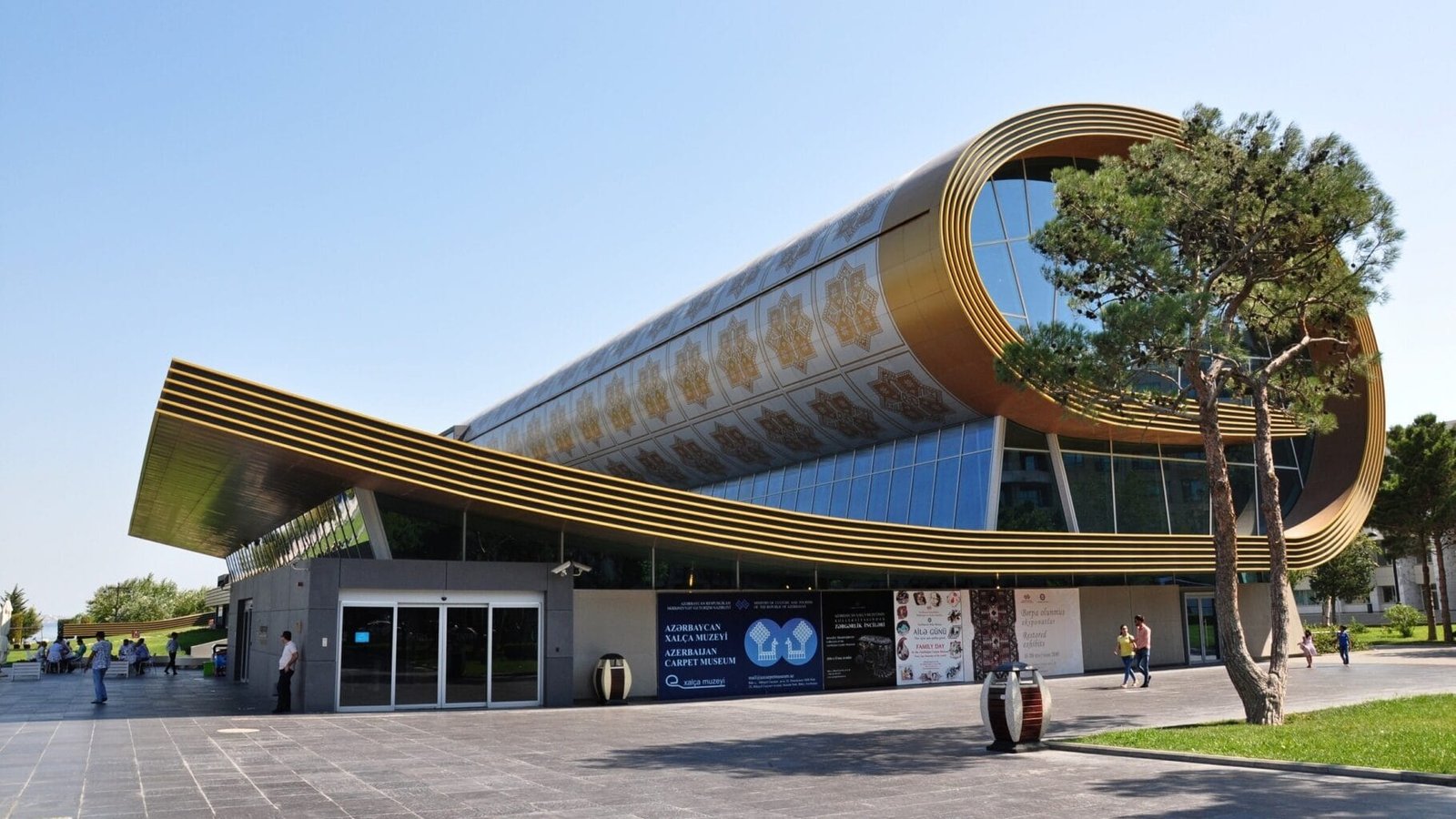
Weavers use natural dyes from pomegranate and indigo, and some carpets take years to complete. In 2016, Azerbaijani carpets flew to space aboard the International Space Station – because even astronauts need a touch of home.
10. Europe’s Highest Village (and It’s Time-Capsule Vibe)
Perched 2,300 meters up in the Caucasus, Khinalig is one of Europe’s oldest and highest villages. Its 5,000-year-old stone houses cling to cliffs, and locals speak a language unrelated to any other. Visiting feels like stepping into a medieval movie set – minus the dragons. The village’s isolation preserved traditions like sheep-herding and wool-dyeing.
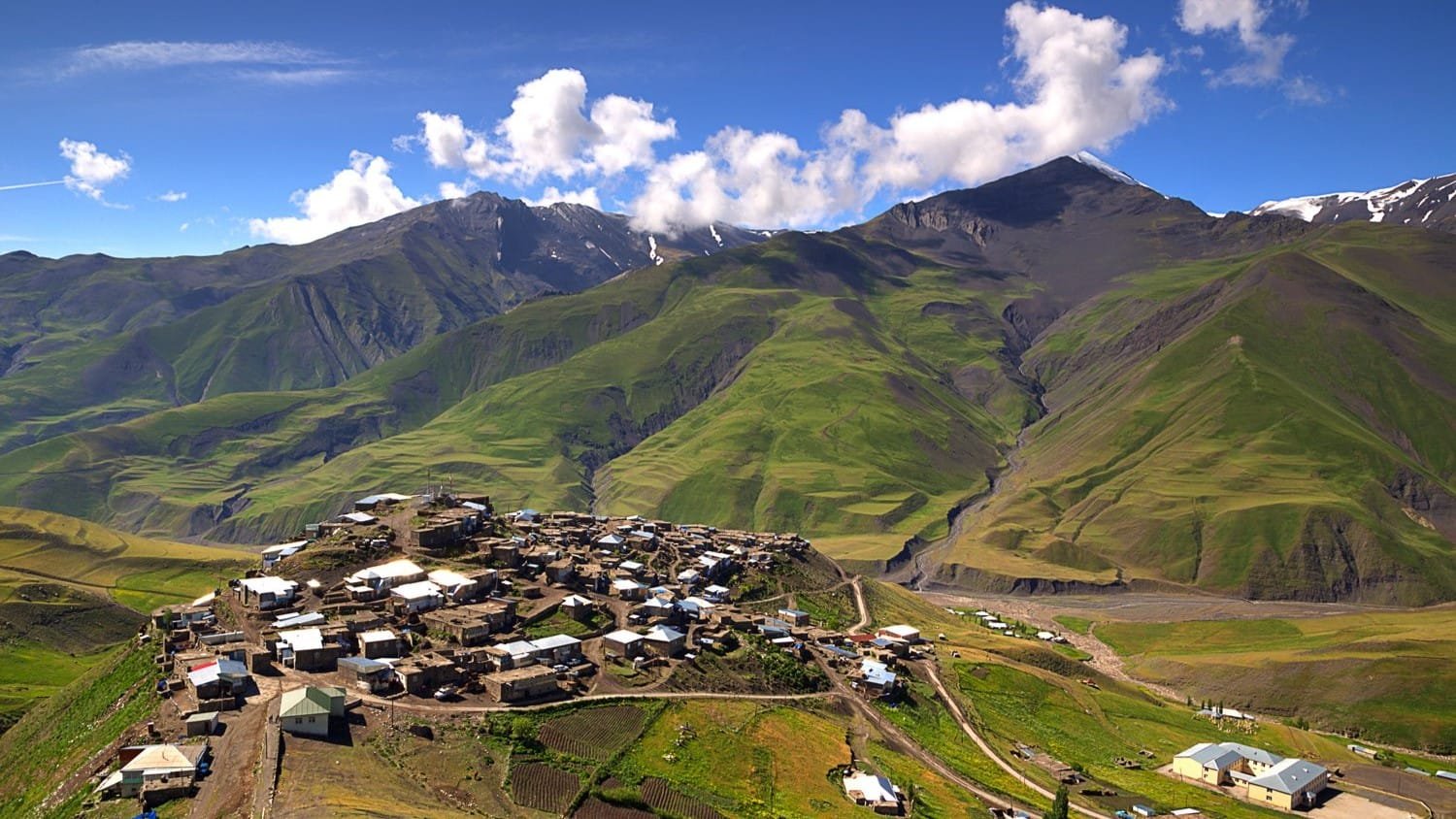
Homes double as barns, with livestock on the ground floor and families upstairs. In winter, snow cuts off roads, forcing residents to rely on dried meats and cheeses. Recently, eco-tourism projects offer homestays, letting visitors grind flour in ancient mills or hike to Gizi Gaya, a sacred peak. It’s a raw, unfiltered glimpse into Azerbaijan’s past.
11. Hot Springs with a Gender Twist
Near Ilisu village, two springs bubble side by side: one scalding hot (“Boy Spring”), one icy cold (“Girl Spring”). Legend says bathing here cures ailments, but we’re just here for the bragging rights of straddling two temperatures at once.
12. Dumas’ Forgotten Caucasus Adventure
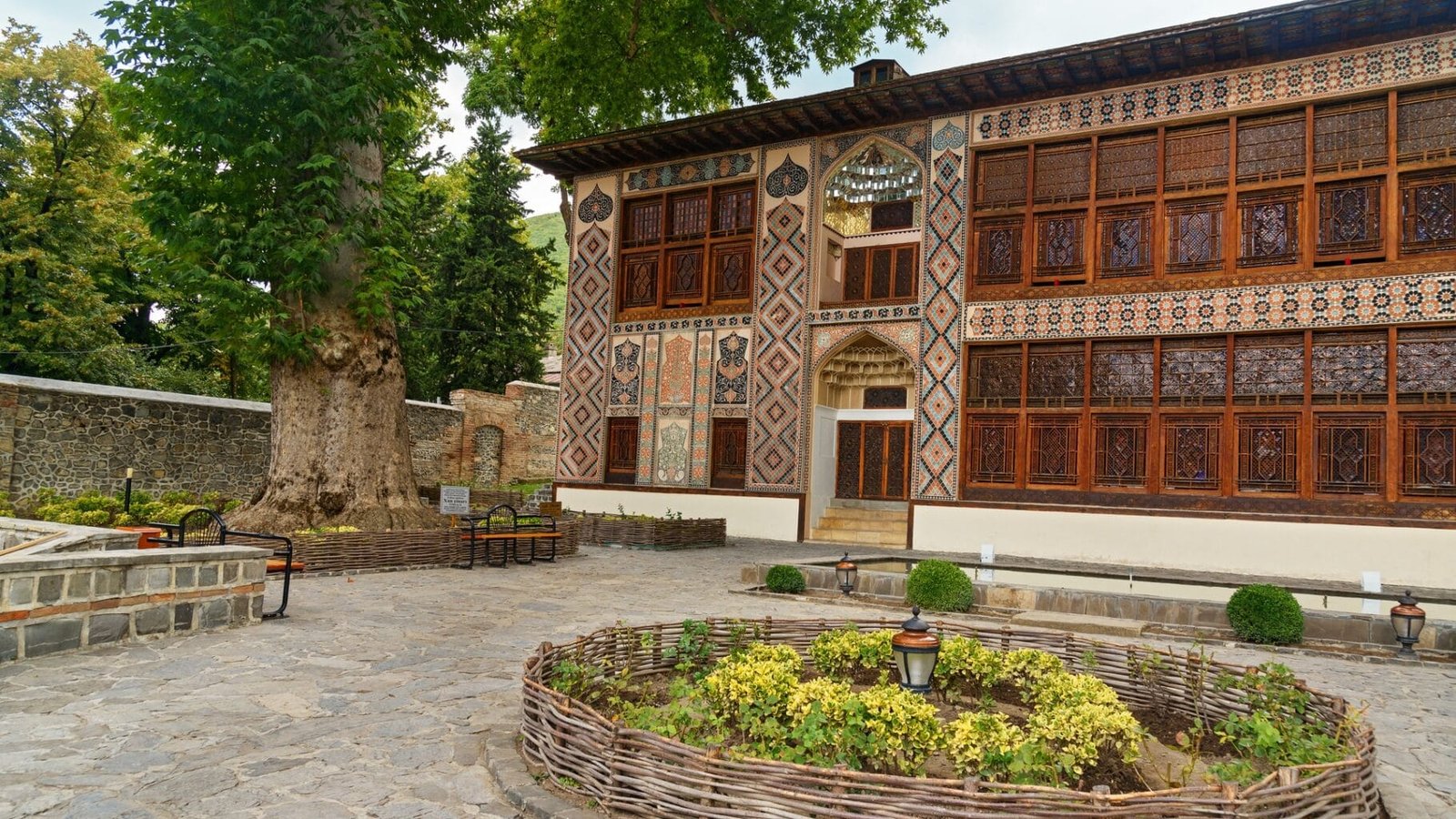
French writer Alexandre Dumas (of Three Musketeers fame) once raved about Azerbaijan’s Sheki region in his travel memoirs. He gushed over its silk, sweets, and mountain vistas.
Today, Sheki’s still a showstopper with its Sheki Khan Palace and honey-soaked baklava.
13. UNESCO Sites Galore
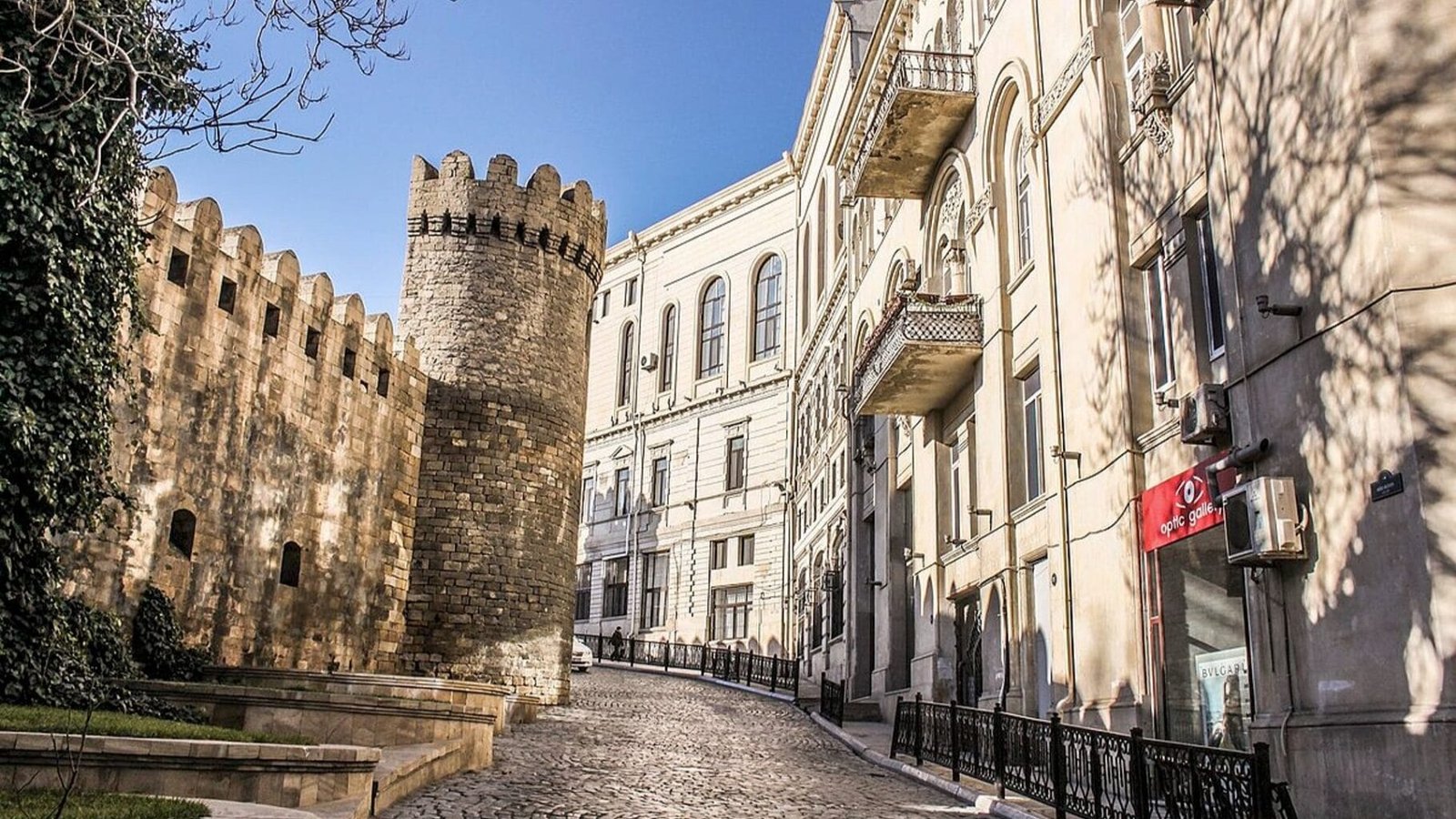
Azerbaijan packs 3 UNESCO World Heritage Sites. Baku’s Old City (Icherisheher) is a maze of medieval walls, palaces, and the mysterious Maiden Tower. Then there’s the Gobustan Rock Art, where Stone Age petroglyphs party alongside mud volcanoes.
14. The Bridge That Survived Everything
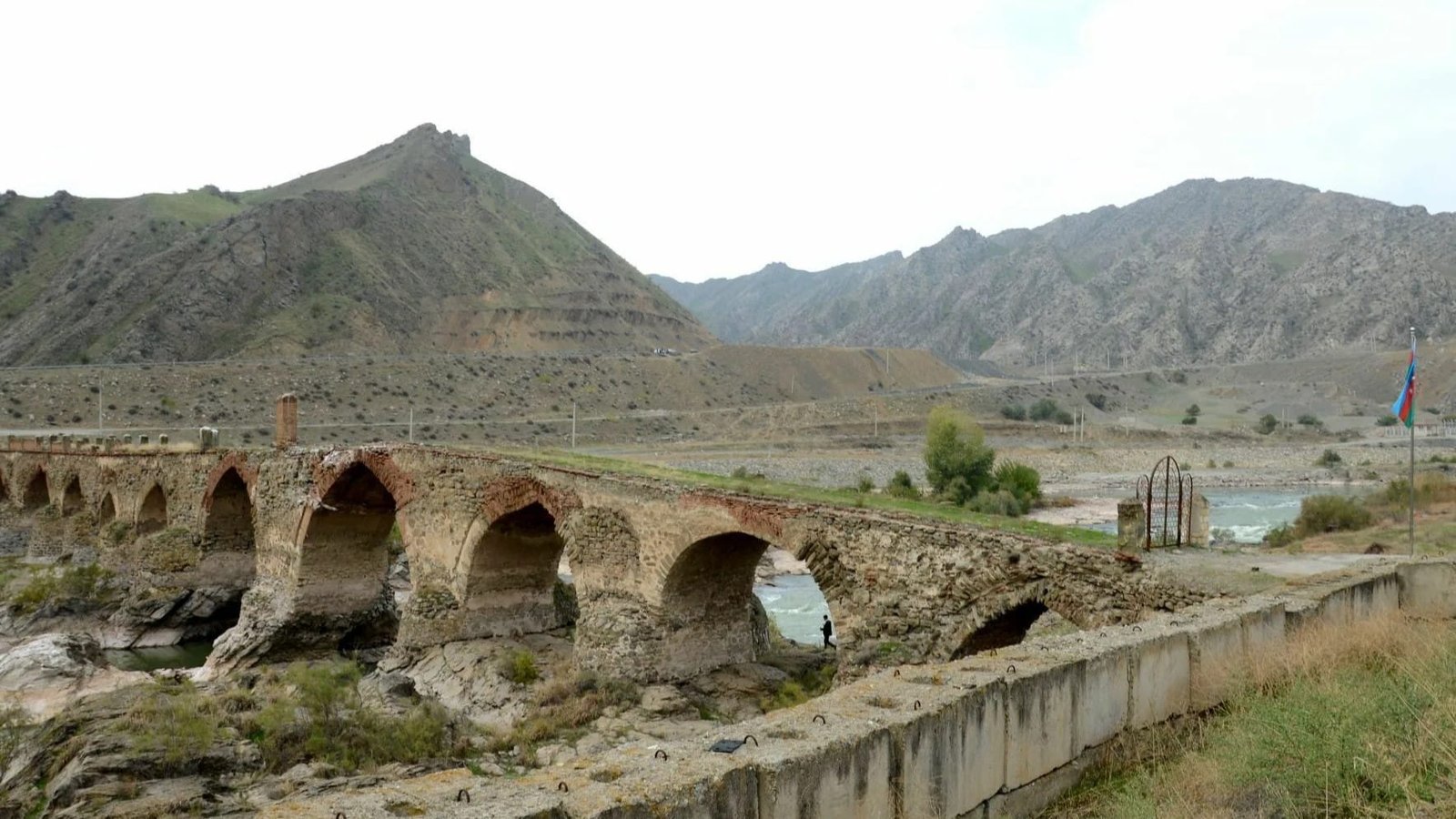
The 11th-century Khudafarin Bridge over the Araz River has weathered Mongols, empires, and modern wars. After being a frontline in the 2020 Nagorno-Karabakh conflict, it’s now a symbol of resilience. Locals call it the “Bridge of Longing” – poetic, huh?
15. Live Forever (Or Just Visit the Museum Trying)
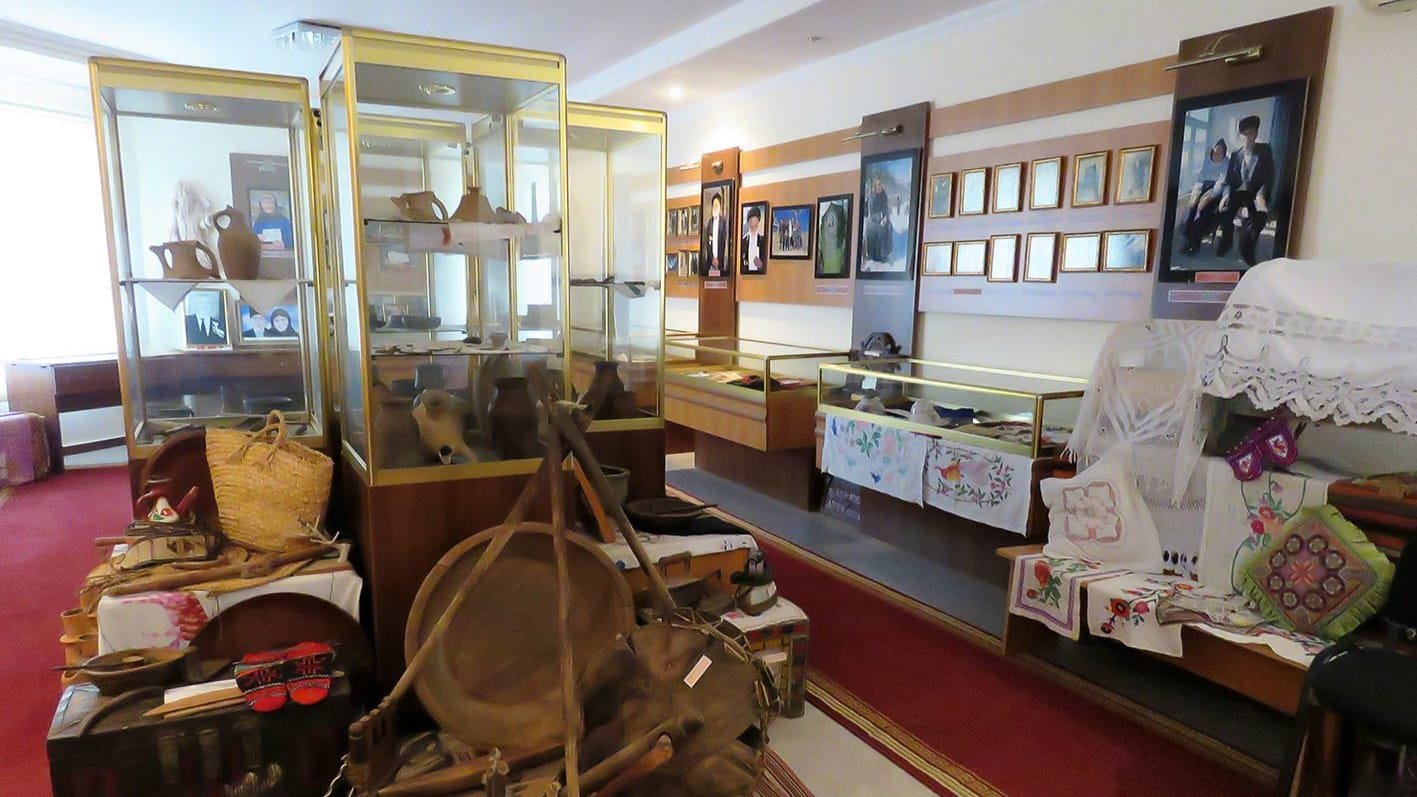
In the mountain town of Lerik, the Museum of Longevity celebrates locals who’ve lived past 100. With exhibits on centenarians’ diets (hint: yogurt and mountain air), it’s equally inspiring and a subtle hint to lay off the fast food.
Bonus Fact: A Melting Pot Since the Silk Road
Azerbaijan’s location on the Silk Road made it a cultural blender. Today, it’s a secular haven where Shia and Sunni Muslims, Jews, Christians, and tiny ethnic groups coexist. Hospitality? It’s a national sport.
Ready to Go? Here’s Your Final Push
Even in its diverse society, Azerbaijan combines religious fire worship with feminist leadership that defies typical expectations. The country presents its visitors with multiple opportunities to experience stories through its ancient history, mountain climbing, and architectural masterpieces.
So – don’t just daydream – explore! Get your visa to Azerbaijan and start the adventure! In case of any questions about the applying process contact us at service@visaforazerbaijan.org.uk.
Eligible Countries for Azerbaijan Visa
| 🇮🇳 India | 🇵🇰 Pakistan | 🇸🇦 Saudi Arabia |
| 🇺🇸 United States of America (USA) | 🇬🇧 United Kingdom (UK) | 🇨🇦 Canada |
| 🇮🇹 Italy | 🇱🇰 Sri Lanka | 🇪🇸 Spain |
| 🇦🇺 Australia | 🇳🇱 Netherlands | 🇩🇪 Germany |
| 🇴🇲 Oman | 🇰🇼 Kuwait | 🇮🇱 Israel |