

The carpet-making tradition of Azerbaijan stands out from all other nations. In fact, its extensive cultural weaving is more of a national identity for the country. As objects of art, these floor coverings freely combine historical facts with philosophical messages while demonstrating masterful artistic accomplishment.
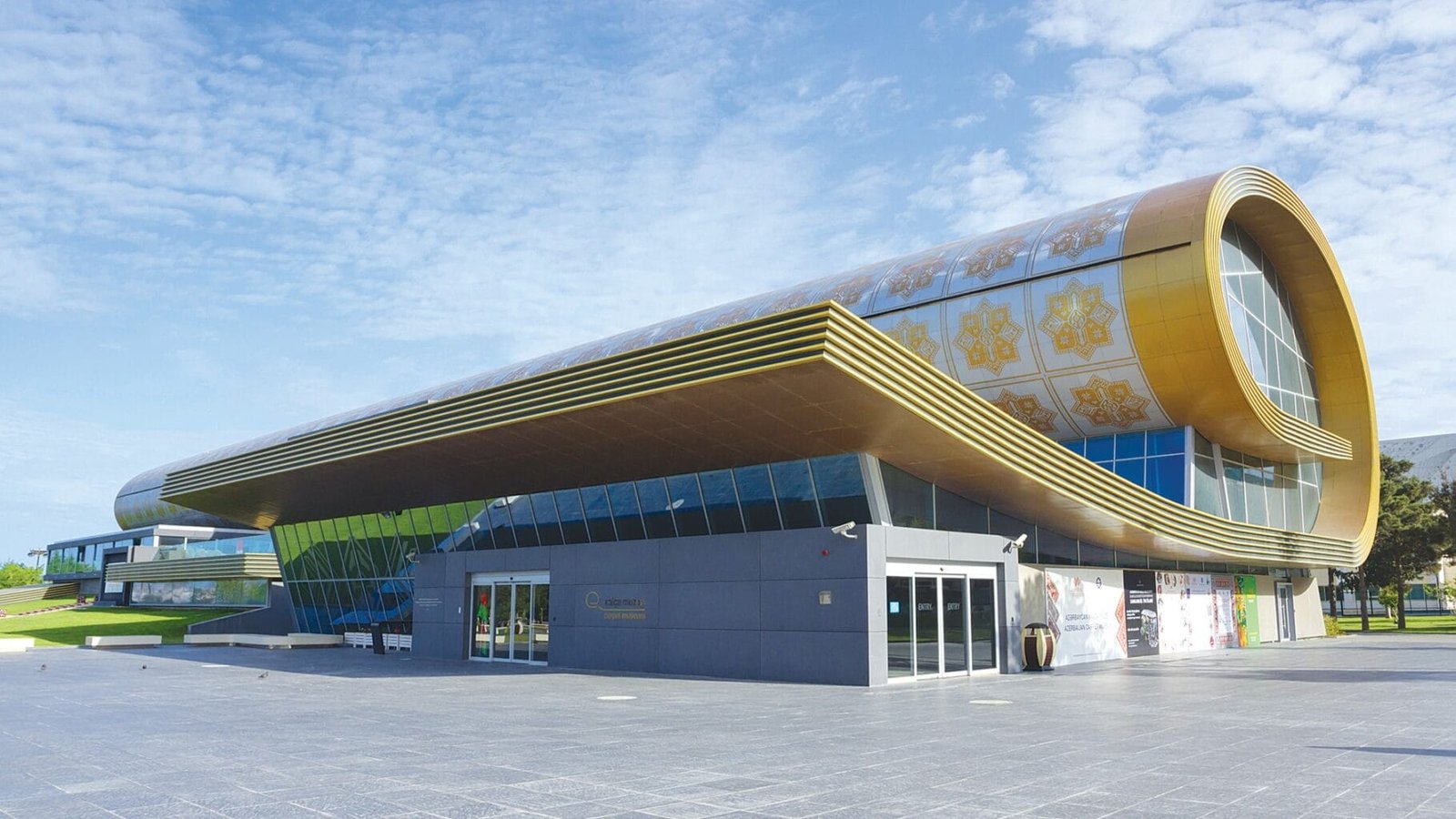
Baku’s waterfront promenade features an architectural wonder that functions as the home for textile treasures at the Azerbaijan Carpet Museum. The building presents an unrivaled appearance thanks to its partially rolled carpet design, which allows visitors to sense an upcoming extraordinary encounter.
If you plan to visit the Caucasus region, you need to consider a few things before that trip can take place. To start with, you’ll need a permit to enter Azerbaijan – an ASAN eVisa. Fortunately, the process of acquiring one is a piece of cake. All you need to do is visit our website, pay the fee, and upload the documents. You’ll be walking on the cobbled walkways of Baku’s Old City district in no time!
History of the Azerbaijan Carpet Museum
This cultural institution started its journey during the Soviet period because, on August 26, 1967, the Council of Ministers from the Azerbaijan SSR established the museum. A small initial exhibit found in Baku’s Juma Mosque located inside the Icheri Sheher (Inner City) district has evolved into one of the top cultural institutions of the Caucasus area.
Throughout the decades, the museum has been continuously relocated until it settled into its constructed permanent structure. The contemporary building featuring the collection had its official inauguration in 2014, at the same time that the global understanding of these textile masterpieces experienced rapid growth.
Baku residents and tourists now frequently photograph this avant-garde building, which Franz Janz designed. As a concept, the building expresses its internal contents with a floating carpet displayed above Baku Boulevard, which welcomes curious visitors who want to investigate its stories.
Experts analyze traditional weaving approaches, heritage preservation, and pattern history from various national carpet areas under the roof of this facility. The academic investigation conducted here ensures that generations ahead will comprehend and respect the immaterial cultural value of these textiles.
After Soviet rule ended, the museum adapted to changes that occurred during the national rebirth. The museum became a vital cultural icon after the country regained its identity by showing artistic accomplishments that had weathered centuries of both political disruption and outside intervention.
The Collections: Time and Tradition
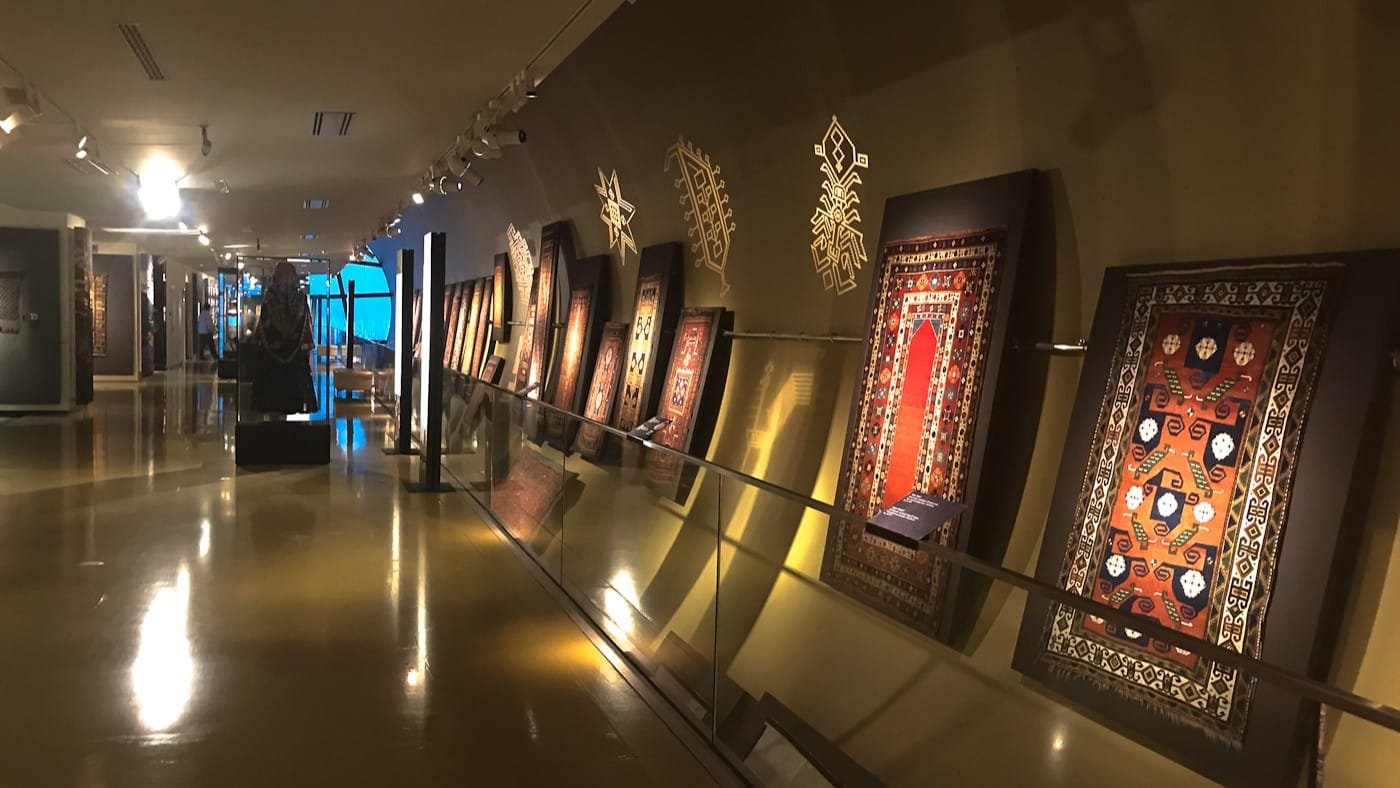
Walk through the entrance of this establishment, and you’ll experience multisensory overload in its most delightful form. More than 10,000 elements comprise the collection, which contains historical prehistoric textile fragments alongside contemporary carpet designs that defy traditions with innovative techniques.
The journey begins with the Bronze Age weaving tech artifacts that lead to medieval masterpieces en route to the carpet creations from the 17th to 18th century golden age.
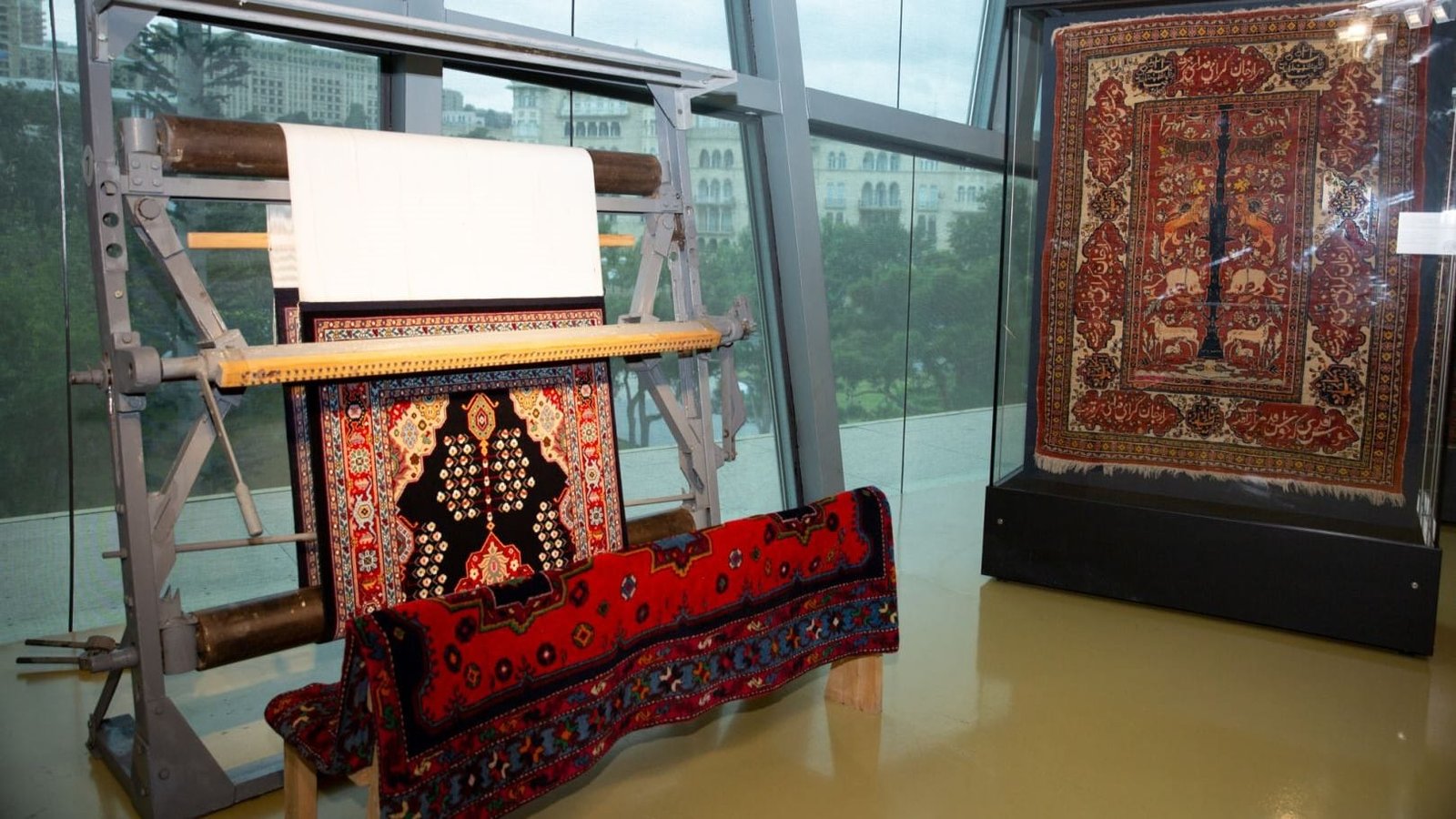
It stands out because it demonstrates a thorough presentation technique that includes carpets alongside essential equipment and components responsible for carpet production. Visitors can observe an array of antique spindles, combs with shears, and dye-making equipment, which helps to recreate the arduous weaving process in glass display cases.
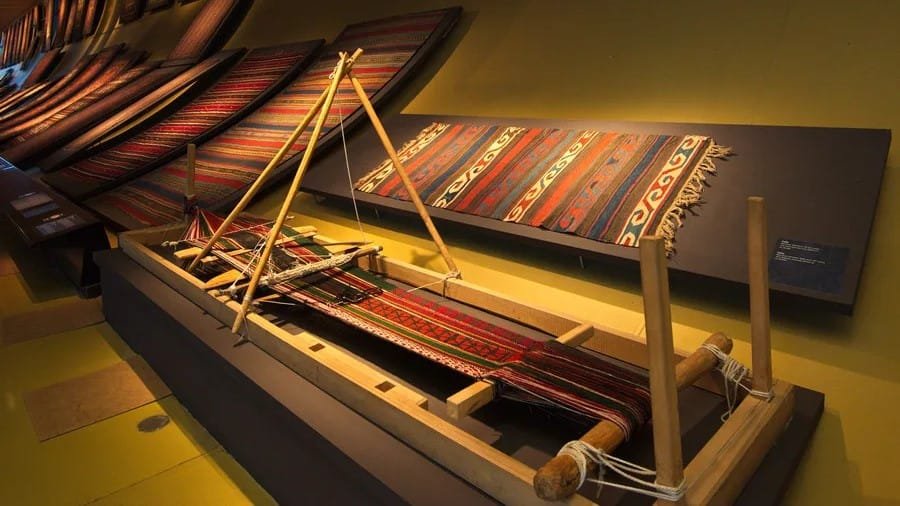
The museum exalts three particular pieces: Kuba carpets display fine weaving floral designs, Ganja carpets present bold geometry, and finally, Quba’s ancient dragon carpets from the 17th century. Distinct characteristics of each region emerge because of cultural heritage practices, as well as what raw materials are available and nearby artistic trends.
UNESCO Recognition: A Global Stamp of Cultural Significance
The international community confirmed the extraordinary importance of this textile tradition by adding Azerbaijani carpet weaving to its Representative List of the Intangible Cultural Heritage of Humanity in 2010. This distinguished recognition delivered real preservation funding together with educational scholarships, giving it worldwide recognition.
The recognition from UNESCO represents approval that cultural practices serve as essential foundations for human creativity and creative expression. The United Nations Educational Scientific and Cultural Organization acknowledged carpet weaving in the South Caucasus country as an intricate system that carries traditional knowledge accompanied by ancestral beliefs and customs.
Carpet-making starts with sheep shearing and proceeds to wool processing before dyeing with natural materials. It is then followed by spinning and ends in complex weaving. Widespread acknowledgment from UNESCO creates national protection for this complete system of knowledge to survive the rapid pace of modernization.
The government established new protective measures after obtaining this designation. It established three components to safeguard traditional weaving practices through educational classes for carpet learning while also recording master weavers’ techniques with economic programs that support carpet production income as an occupation choice over pastime activities.
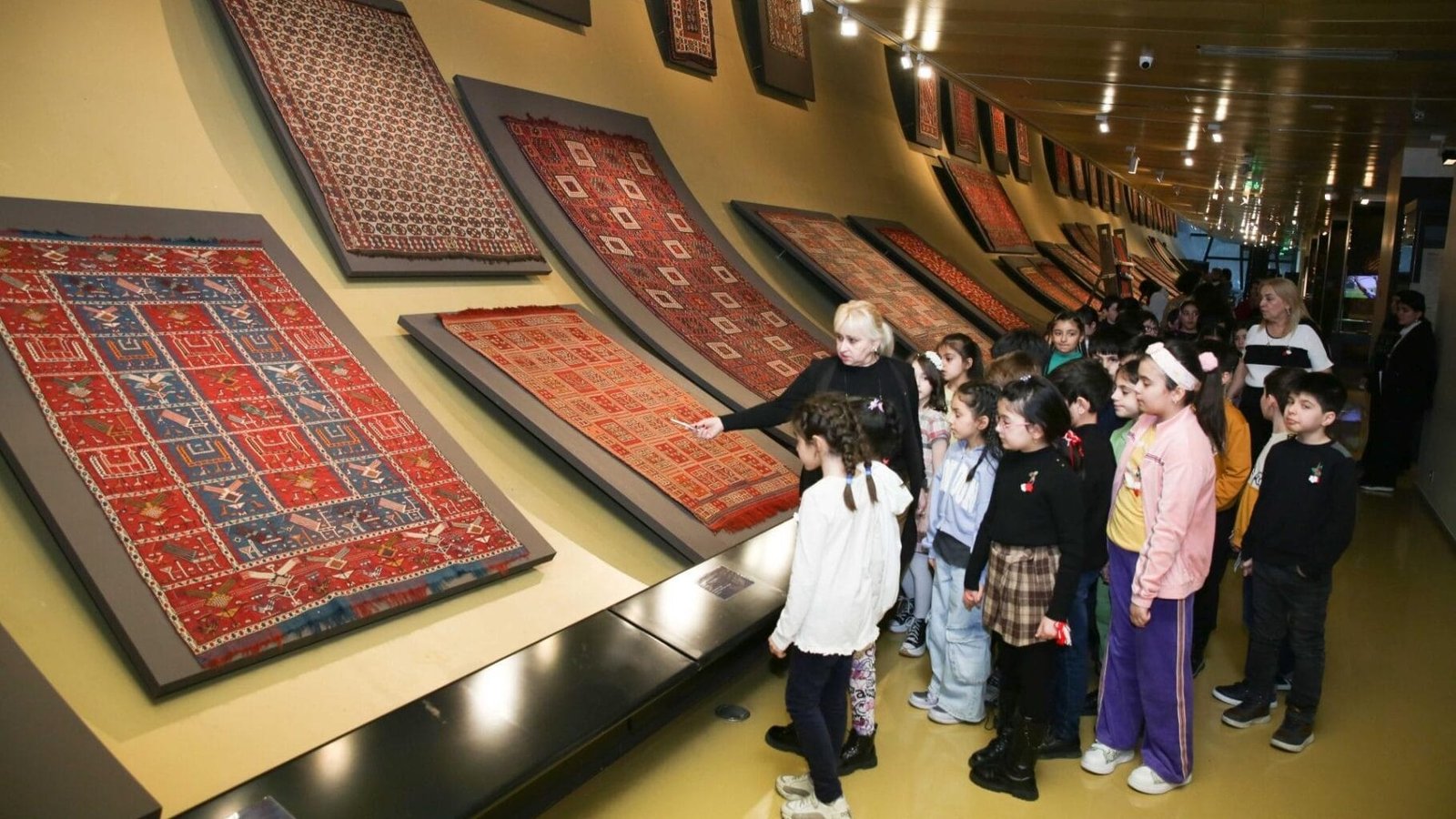
The prestigious status of UNESCO designation succeeded in fighting against the international trafficking of fake “Azerbaijani” carpets. The status provided standardized methods for validating and verifying these textiles, thus safeguarding both buyers and authentic weavers who base their income on the market value of their work.
People can easily locate the architectural treasure because it sits elegantly on Baku Boulevard by the Caspian Sea water alongside other increasingly gaudy capital city buildings. The rolled-carpet design of this museum is instantly recognizable, and most taxi drivers can locate it when users request a route to the “Carpet Museum.”
Visiting the Azerbaijan Carpet Museum: Practical Information For an Unforgettable Experience
Visitors can locate this architectural masterpiece without effort because the museum sits beautifully on Baku Boulevard near the Caspian Sea coastline while the capital’s growing extravagant towers project next to it. Note that most taxis can find the Carpet Museum easily using its unique rolled-carpet design as their reference point.
The museum operates from Tuesday to Sunday between 10:00 AM and 6:00 PM, except for Mondays when it remains closed to the public. The last admission begins one hour before the stated closing times. The entry fees charge adult foreign visitors 10 AZN ($6 USD) at this museum and provide multiple price discounts for students, children, and seniors visiting the institution.
Audio guides in various languages turn regular site observation into educational enlightenment because they explain traditional motifs, including the buta fire symbol, which symbolizes fertility, and complex border pictures, which incorporate defensive symbols against the evil eye.
Photo capture is permitted without flash throughout most exhibition areas so visitors can take pictures of the colorful designs, which could spark their interior design ideas. Visitors can find both basic gift store items and premium reproductions of carpets in the carefully selected merchandise section, but authentic antique pieces cannot be purchased.
Attending a real-time weaving demonstration at the museum will provide the best experience because master weavers perform their art during scheduled shows. The fast-paced knob work of skilled weavers leaves visitors with a tangible appreciation for their ancient mastery, which adds an “Oh”-level feeling to the valuable pieces displayed.
Visitors can select from specialized tours at the museum, with art historians choosing the scholarly option and families choosing activities involving simple weaving.
Photography enthusiasts should request information about the best times for lighting, as the building’s innovative design creates fascinating interplays of shadow and light throughout the day.
Cultural Significance: More Than Just Beautiful Objects
To truly appreciate what you’re seeing in the museum, it helps to understand that Azerbaijani carpets have always been far more than decorative objects. These textiles served as insulation in yurts and houses, dowry pieces for brides, prayer mats for religious devotion, and status symbols for wealthy families.
The various rug colors bear significant meanings in ancient:
- Red symbolizes festivity, along with sacrificial offerings;
- Blue conveys eternal truths;
- Yellow symbolizes wise prosperity;
- Green showcases Muslim identity;
- White represents both spiritual purity and grief phases.
Professional weavers use colors purposefully to create equilibrium in their patterns, which expresses dualistic philosophical ideas associated with harmony.
Read also: Azerbaijan Religion: A Unique Blend of Faiths And Traditions
Special care must be directed toward wedding carpets, which contain intricate narratives. Wedding carpets exist as ceremonial textiles because they showcase family unification symbols and protective features that aim to benefit marriage and childbearing success. The museum maintains several outstanding carpet examples revealing the role of carpets during fundamental life stages as visual communicators.
Historically speaking, these textiles possessed monetary value beyond their artistic significance and symbolic meanings. The mobility factor of carpets, as compared to other valuable possessions, allowed them to serve as trade items and as temporary loans when financial troubles arose. Numerous ancient designs persisted because their actual value made them keepable even when worn or damaged.
Women traditionally achieved economic independence through carpet weaving because employment opportunities for females were restricted in these societies.
The Art of Carpet Making: A Complex Craft Preserved Through Generations
The identification attributes for Azerbaijani carpets include two main knot types (“Turkish” and symmetrical), as well as regional coloring patterns and metrics of higher than 35-40 knots per square centimeter, which signals superior craftsmanship.
As far as the process of designing carpets is concerned, it goes beyond written patterns. Their weavers are experts at crafting complex designs.
The carpet exhibition shows the natural color production techniques that create the rich yet balanced hues of Azerbaijani rugs. Prior to synthetic dyes, weavers used to accumulate their color supply from local nature-derived substances like madder root for reds, saffron for yellows, and indigo for blues, with walnut shells producing brown tones. Evidence shows that these traditional methods persist at the museum reproduction workshop, which preserves natural color depth that cannot be achieved by modern synthetic dyes.
The museum achieves remarkable success through its systematic approach to presenting regional design distinctions effectively. The carpets that originate from Shirvan demonstrate precise geometric shapes and display medallion patterns, whereas Ganja carpets exhibit strong zigzag elements and stylized animal designs. The carpet designs from Baku show architectural motifs that mirror the traditional buildings in the city, whereas Quba specializes in florally elaborate patterns that are influenced by Persian.
These separate carpet-making styles across Azerbaijan originated from local materials combined with traditional artistic practices, regional living styles, and natural conditions in each part of the country. The nomadic lifestyle caused their design aesthetics to differ from permanent urban populations since mobile functionality took precedence for nomadic communities.
Conclusion
All in all, the Azerbaijan Carpet Museum is no less than a wonder in itself!
As you exit through the museum’s distinctive doors, you’ll likely find yourself viewing carpets differently – no longer seeing them as merely decorative objects but as complex cultural texts that communicate across centuries. The patterns, colors, and techniques you’ve witnessed represent an unbroken artistic tradition that has survived conquests, revolutions, and modernization.
Before planning your visit to this extraordinary institution, don’t forget to secure your Azerbaijan visa through our website at visaforazerbaijan.org.uk.
Eligible Countries for Azerbaijan Visa
| 🇮🇳 India | 🇵🇰 Pakistan | 🇸🇦 Saudi Arabia |
| 🇺🇸 United States of America (USA) | 🇬🇧 United Kingdom (UK) | 🇨🇦 Canada |
| 🇮🇹 Italy | 🇱🇰 Sri Lanka | 🇪🇸 Spain |
| 🇦🇺 Australia | 🇳🇱 Netherlands | 🇩🇪 Germany |
| 🇴🇲 Oman | 🇰🇼 Kuwait | 🇮🇱 Israel |