

Do you yearn for a travel destination that’s different from ordinary tourist spots? Azerbaijan fills the shoes. There’s Baku’s skyline that gives off futuristic vibes. Then there’s the mesmerizing mud volcanoes taking your breath away.
However, there’s a single wall standing before your Persian dreams of sitting by the Caspian Sea and sipping tea: obtaining an e-visa to Azerbaijan. Sounds boring, right? No need to fret because we have developed an extremely user-friendly process on our website.
We make it easy for travelers to acquire their e-Visa thanks to our simple application procedure which grants fast approval. The process needs fewer documents which allows you time to fantasize about your future spectacular vacation. Let’s get you to Azerbaijan!
Europe Meets Asia in the Land of Fire
People have heard about Azerbaijan but struggle to identify its location on a map. Don’t worry – you’re not alone if you too think like that. The country has been receiving a warm response with regards to tourism thanks to the mainstream awareness and a flawless blend of historical heritage joined by stunning natural beauty, and futuristic urban architecture.
Azerbaijan tourism offers such a bizarre experience that it feels like time travel as you could suddenly end up in any period from medieval to modern.
This nation situated between Europe and Asia serves as a meeting place for every empire that invaded and planted cultural remnants before departing. It showcases Persian literary heritage together with Silk Road trading legacy, Soviet historical artifacts, and a wide array of authentic natural wonders.
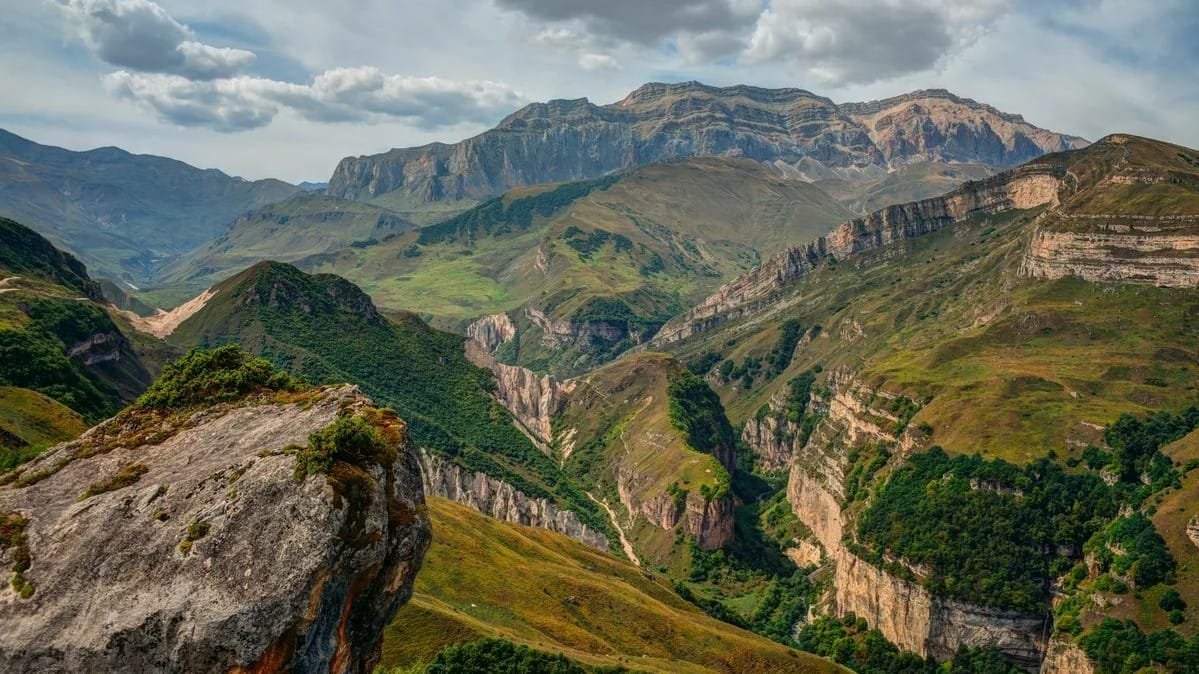
Northern Caucasus Mountains rise above foggy valleys while the Caspian Sea extends to the east; in addition to multiple features such as bubbling volcanic vents and places of fire worship.
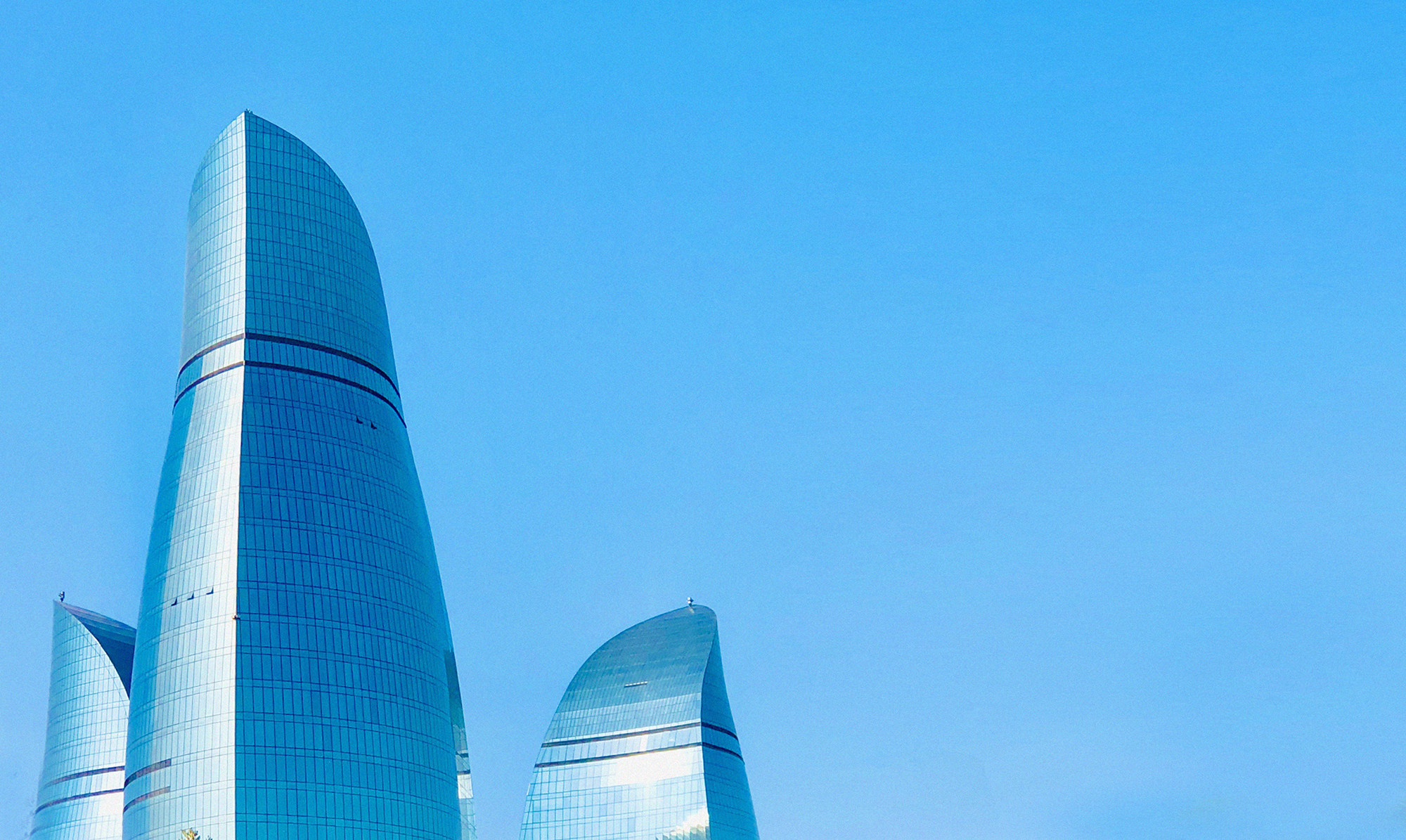
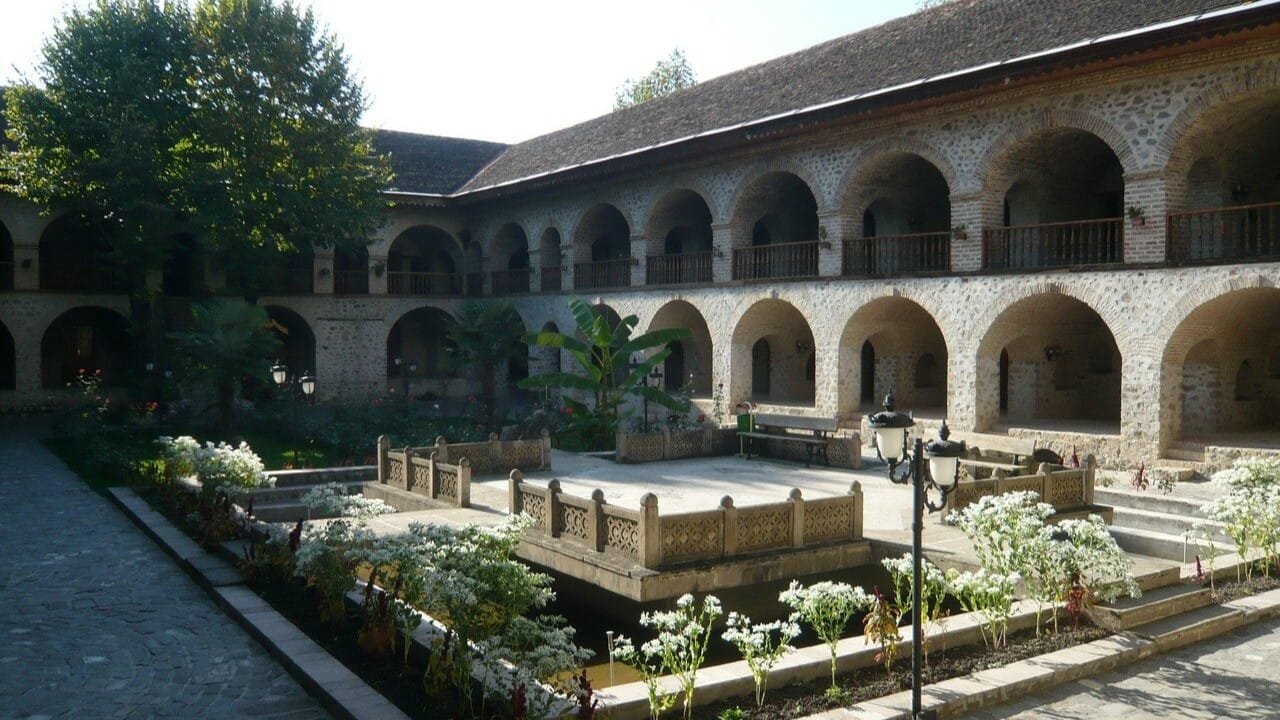
Wondering how Azerbaijan presents itself distinctly from other nations? The place combines traditional elements smoothly with contemporary features. During your journey you can step from drinking tea inside a traditional caravanserai to witness futuristic-looking Flame Towers blinking like science-fiction in Baku’s night sky. Such tourism remains essential for people who wish to forget average travel experiences in favor of truly extraordinary destinations.
Why Visit Azerbaijan?
If you’re still questioning why Azerbaijan should be your go-to destination despite there being other visit-worthy locations, trust me, there are many compelling reasons for visiting it.
Your journey starts at a place which offers an incredible blend of multiple cultures that cannot be seen elsewhere. There aren’t many destinations that let you witness Islamic architecture, a Soviet-era monument, and European-style cafés. All this is possible because Azerbaijan sits at a unique position; embracing unique cultural values that’s quite fascinating.
The natural scenery will leave you speechless. Azerbaijan offers a wide array of geographic wonders starting from the Caucasian mountains’ icy peaks to the Caspian Sea’s sun-warmed waters, and featuring mid-desert wilderness between them. During specific seasons, you can switch from skiing in the morning to swimming in the afternoon on the same day.
History enthusiasts will find paradise here. For many generations, Azerbaijan’s land has become a repository of historical traces – which include prehistoric carvings along with caravanserais that hosted Silk Road traders during the Middle Ages. Traversing through the UNESCO-protected Old City of Baku will transport you to an historical period.
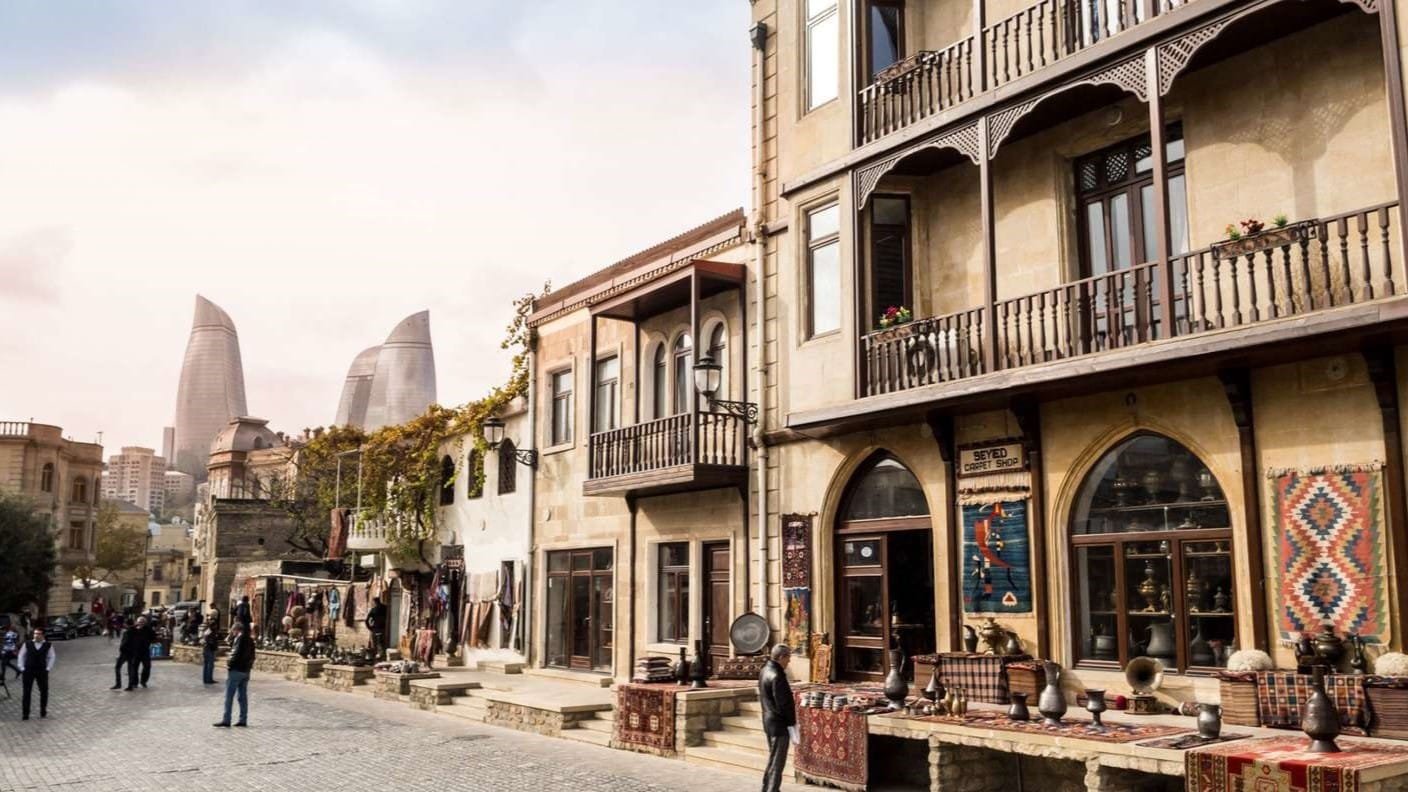
The country is known for its remarkable hospitality practices. Local people invite newcomers for tea followed by generous feasting moments after their first encounter.
Lastly, Azerbaijan’s price-to-quality ratio stands superior to that of Western Europe. This is one of the biggest factors to plan a tour here.
Best Time to Visit Azerbaijan
The timing of your visit serves as an essential factor that shapes your total experience so we will analyze each season to provide better planning.
Winter (December-February)
There are numerous reasons to appreciate the winter season in Azerbaijan. The coastal city of Baku remains mild with 40-50°F/5-10°C winter temperatures, yet the mountain regions become true winter paradises. Travelers can enjoy luxurious skiing at Shahdag and Tufandag without paying high-tier Alpine mountain prices.
The period between December and February results in fewer tourists and reduced prices for everything throughout the coutry. During winter, you can experience significant locations almost without others around you. Moreover, Azerbaijani cuisine tastes even more amazing when the temperature drops. The country also provides well-heated buildings but the strong winds off the Caspian Sea slice through exposed skin – so keep that in mind.
Spring (March-May)
Visiting during spring is possibly the most ideal period for exploration. Azerbaijan observes Nowruz Persian New Year for the spring equinox during the month of March. In this period, the entire nation participates in explosive celebrations.
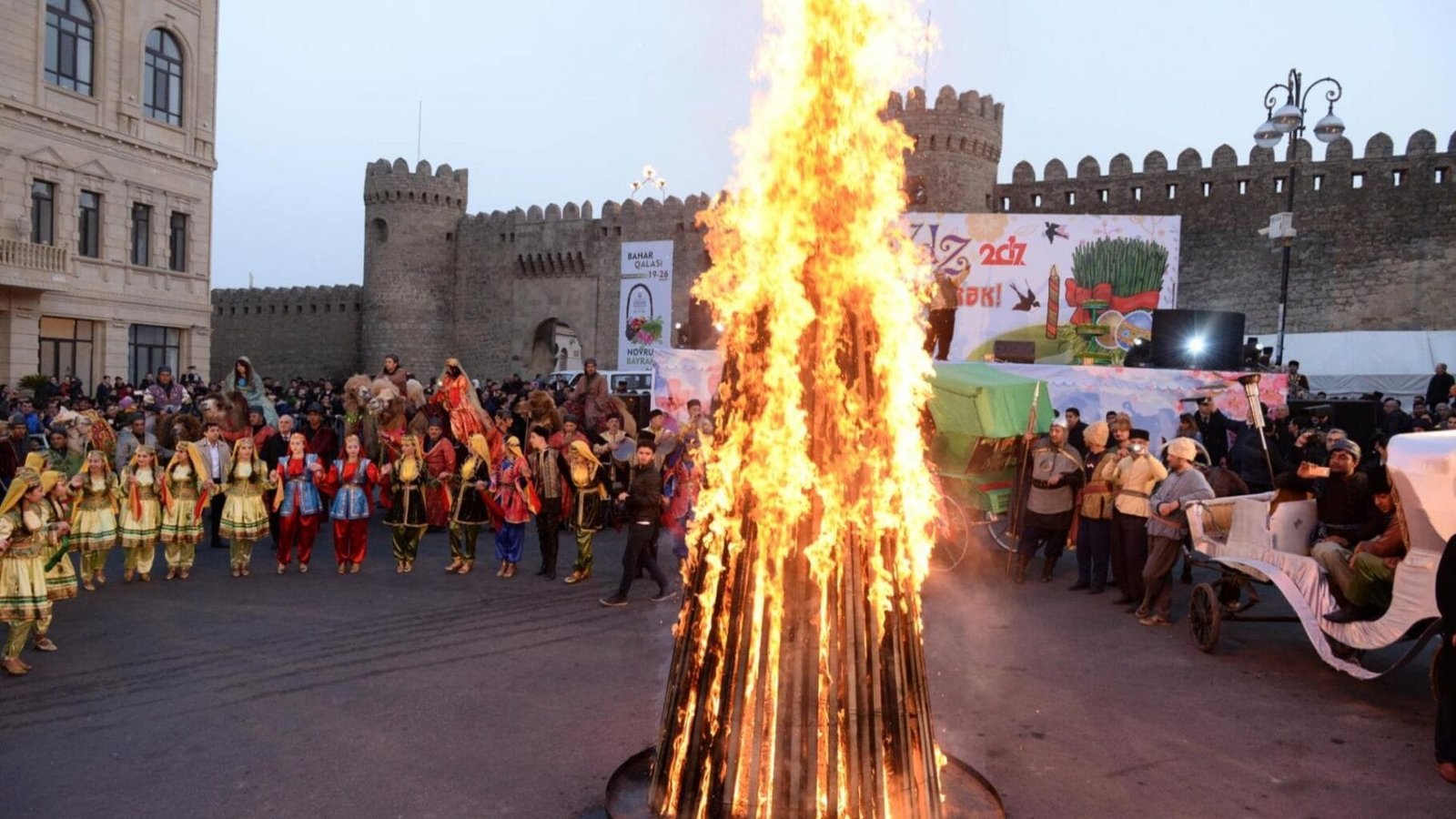
During this magical period, you can deeply experience local traditions through special foods and customs while enjoying various festive events.
The country reaches its peak bloom during April and May. The temperature stays comfortable between 60-75°F (15-24°C) and all mountain regions become accessible. The ideal seasonal activities at this time include hiking through mountain paths while exploring both Baku city and its nearby villages before summer heat becomes oppressive.
Summer (June-August)
Summer heat in Baku and surrounding lowlands creates conditions of at least 90°F (32°C) which occasionally reach 104°F (40°C). The upside? Both the Caspian Sea and the mountains shine during this time and provide ideal cooling opportunities.
Outdoor activities should be scheduled for early mornings and late afternoons during summer months or you can take midday breaks inside museums and traditional tea houses that have air-conditioning. Summertime attracts the highest number of visitors to Baku – which means early booking of hotels especially near the coastal area is essential.
Autumn (September-November)
Like spring, autumn hits the sweet spot for comfortable exploration. September remains warm enough for swimming, while October brings spectacular foliage to mountain areas like Gabala and Sheki. Temperatures gradually drop from the 70s to the 50s°F (20s to 10s°C), and tourist crowds thin out.
Fall also means harvest season—you’ll find the most amazing fruits, nuts, and local produce at markets across the country. Wine regions like Ismayilli are particularly atmospheric as vineyards turn golden and the new vintage comes in.
Top Cities And Destinations in Azerbaijan
Ready to plan your itinerary? Let’s dive into the must-visit spots across Azerbaijan, with tips on how long to stay, how to get there, costs, and what not to miss.
1. Baku: The Dazzling Capital
- Days needed: 3-5.
- Getting there: International flights arrive at Heydar Aliyev International Airport; it’s also accessible by train from Georgia and Russia.
- Accommodation: $30-50 for budget, $80-150 for mid-range, $200+ for luxury.
- Food costs: $5-10 for casual meals, $15-30 for mid-range restaurants, $40+ for fine dining.
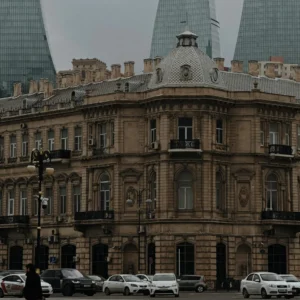
Baku will blow your mind with its contrast of ancient and ultra-modern. Start in the UNESCO-listed Old City (Icherisheher), where the 12th-century Maiden Tower and Shirvanshah’s Palace transport you back in time. Wander the narrow lanes, pop into craft shops, and soak up the medieval atmosphere within these ancient walls.
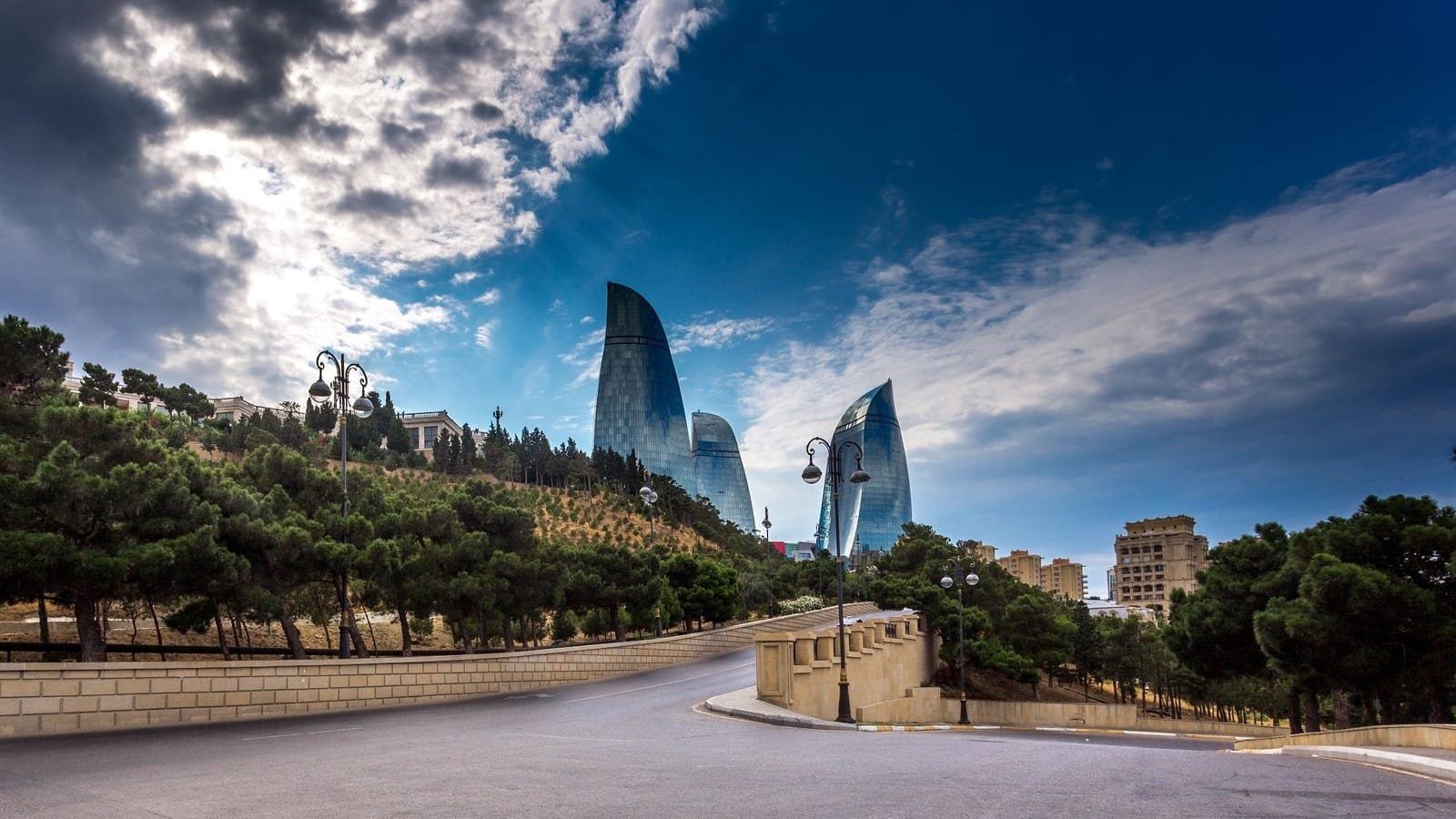
Then step into the 21st century with Baku’s modern landmarks. The iconic Flame Towers dominate the skyline, especially when lit up at night with LED displays mimicking flickering flames. The Zaha Hadid-designed Heydar Aliyev Center is a masterpiece of flowing, curved architecture with fascinating exhibitions inside.
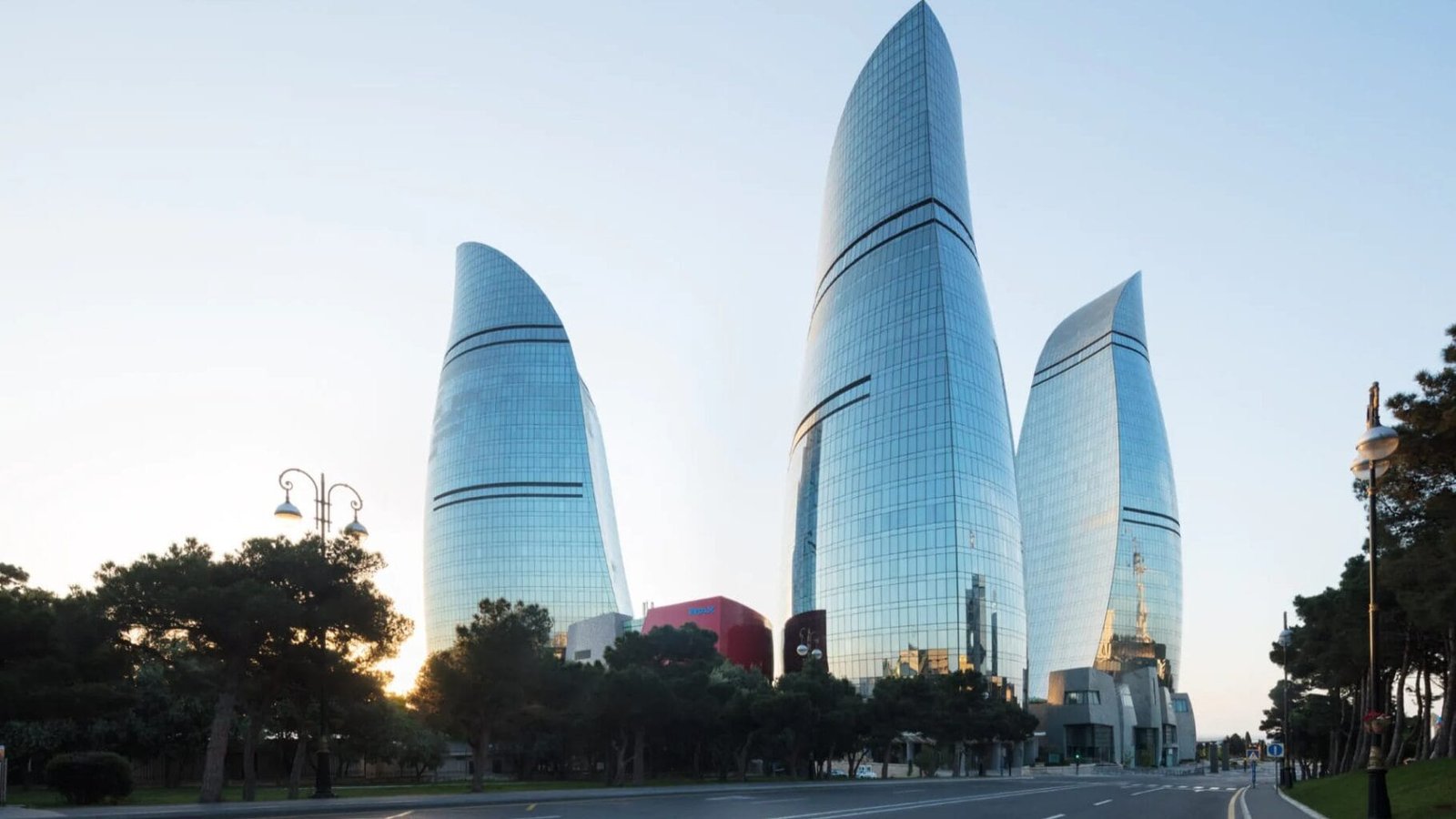
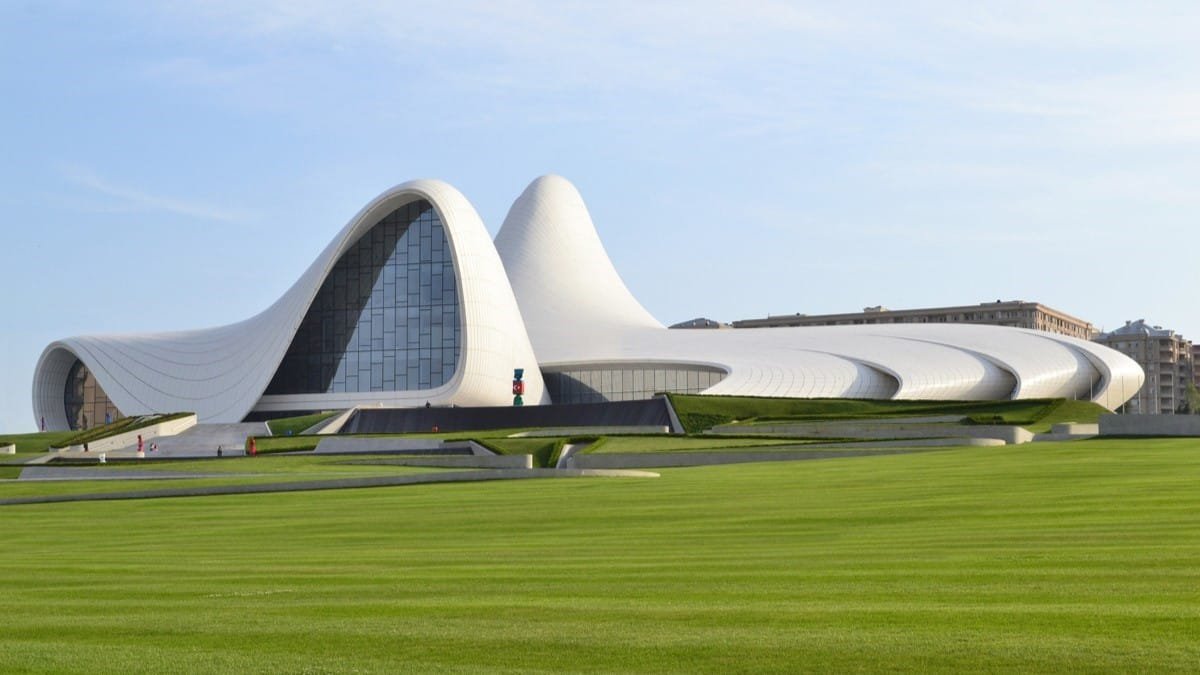
Don’t miss the Bulvar, Baku’s sweeping seaside promenade stretching nearly 4 miles along the Caspian. It’s perfect for people-watching, especially at sunset when locals come out for their evening stroll. Nearby, the Carpet Museum’s building is shaped like a rolled-up carpet and houses an incredible collection of Azerbaijan’s most famous art form.
For nightlife, head to the Fountains Square area, packed with restaurants, bars, and clubs where you can dance until dawn. And foodies shouldn’t miss Nizami Street for shopping and the many excellent restaurants in the Target area serving up authentic Azerbaijani cuisine.
2. Sheki: Step Back in Time
- Days needed: 2-3.
- Getting there: 4-5 hours by bus or car from Baku.
- Accommodation: $20-40 for budget, $50-80 for mid-range, $100+ for luxury boutique hotels.
- Food costs: $3-8 for casual meals, $10-20 for better restaurants.
Sheki resides within the foothills of Greater Caucasus and operates as an active historical complex. The highlight of Sheki rests upon Khan’s Palace which earned its UNESCO designation thanks to its stunning shebeke windows while also being a summer home from the 18th century. Brilliant artisan skills will make you awestruck.
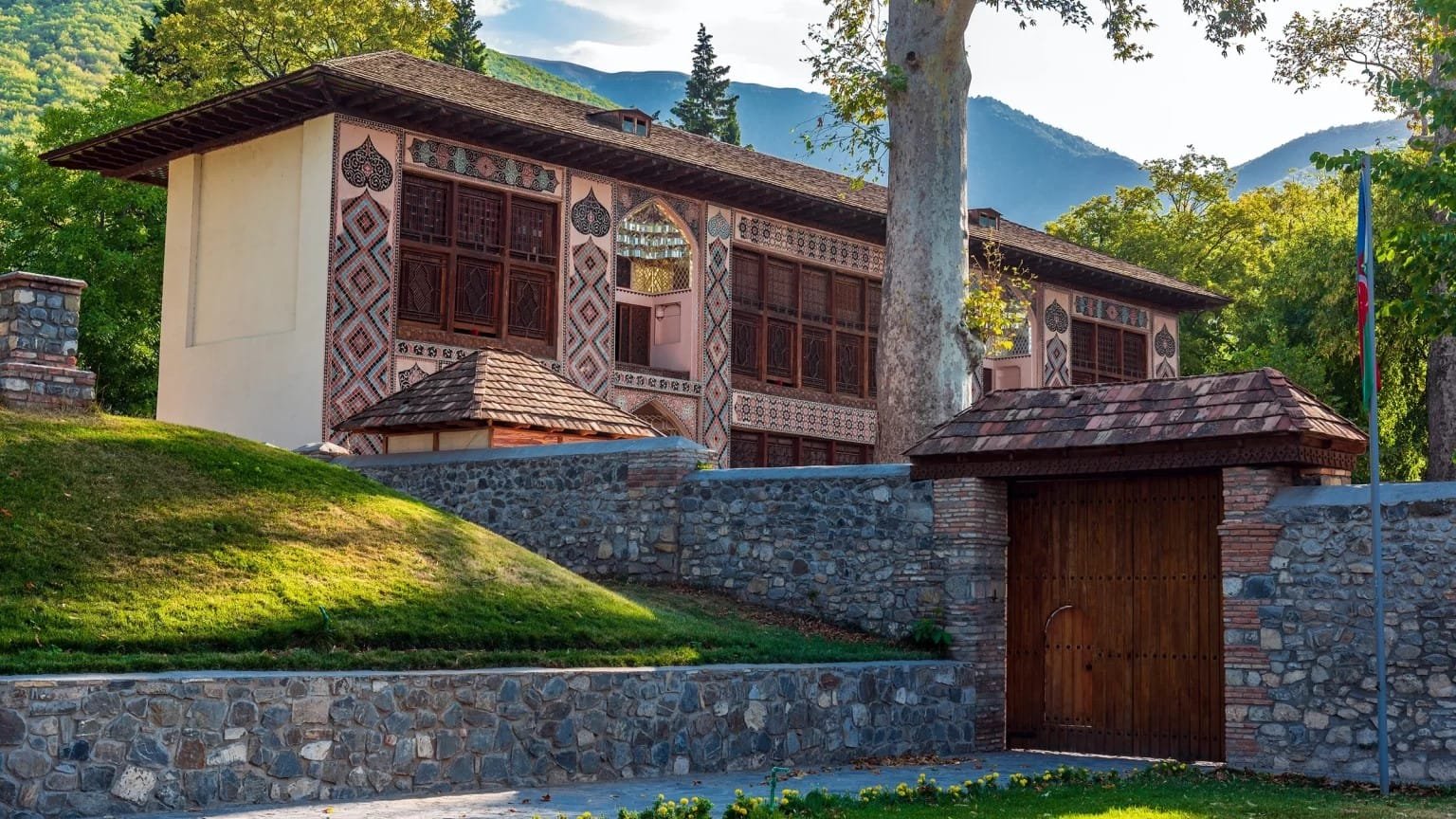
A restored caravanserai now operates as an atmospheric hotel, enabling guests to experience the historical charm that monetized the Silk Road passage through Sheki. The whole town center retains its historic charm with cobblestone streets and traditional houses.
Sweet tooths, rejoice! You must taste traditional halva pastries while visiting Sheki because this town specializes in making this sweet delight out of hazelnuts. The best views of Sheki town can be enjoyed from the Albanian Church and the ruins of the old fortress, which are located at higher altitudes.
3. Gabala: Mountain Retreat
- Days needed: 2-3.
- Getting there: 3 hours by car from Baku, limited public transport.
- Accommodation: $40-70 for budget, $80-150 for mid-range, $200+ for luxury resorts.
- Food costs: $5-15 per meal, higher at resorts.
Gabala (spelled Qabala in some parts) functions as Azerbaijan’s principal mountain leisure destination. Visitors who normally spend hefty amounts on European ski resorts will appreciate the superb slopes at Tufandag Ski Resort during winter due to its affordable prices. People can enjoy hiking, horseback riding, and paragliding activities during summer months within the same breathtaking mountain environment.
The tranquil Nohur Lake offers an ideal location for nature seekers who want to enjoy peaceful picnics and seek rest. A hike to the Seven Beauties Waterfall (Yeddi Gozel) offers summer travelers a wonderful opportunity for refreshment.
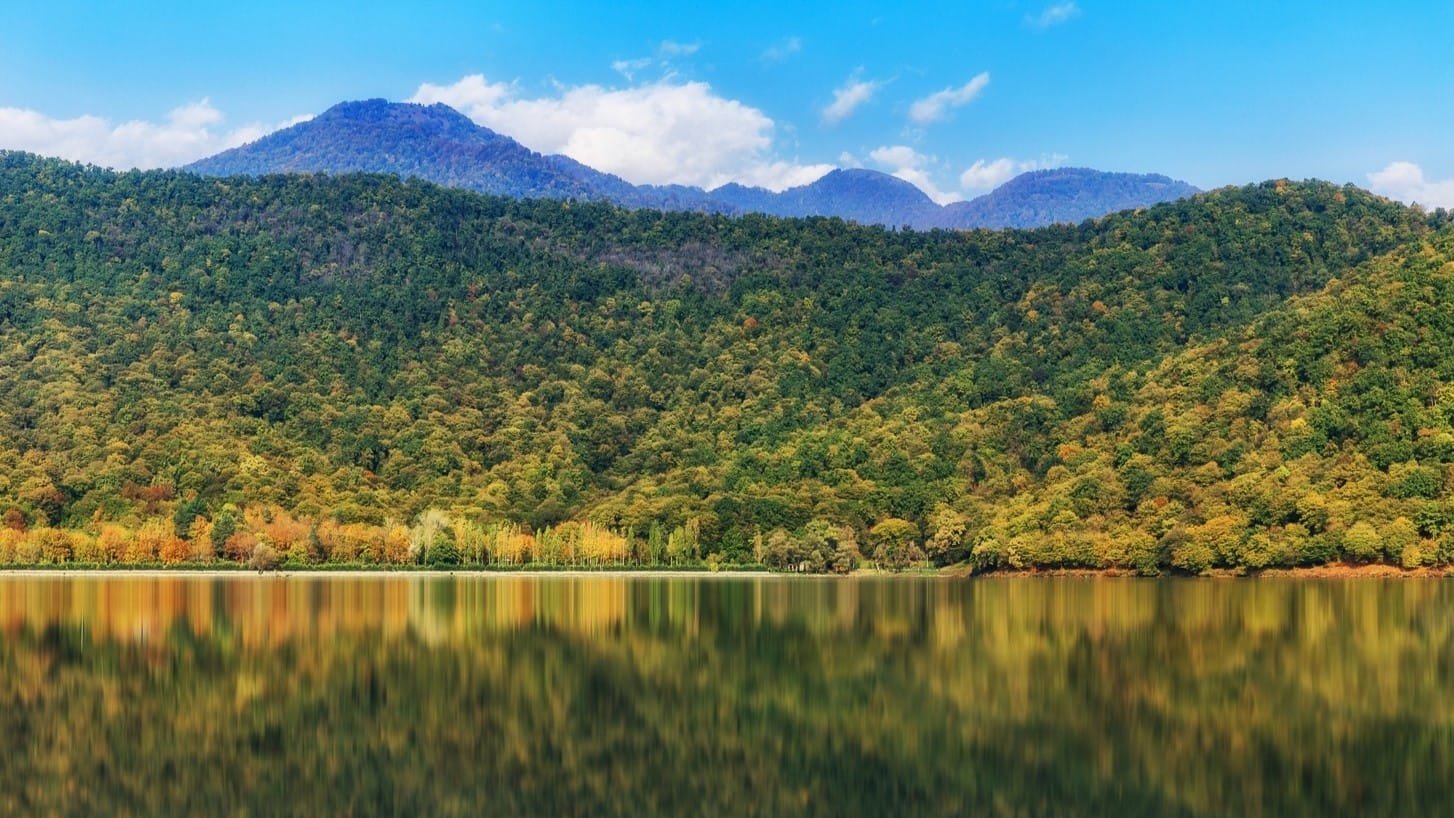
Gabala impresses visitors with two remarkable features; an Olympic-standard shooting complex, and Azerbaijan’s biggest waterpark. The location attracts numerous domestic tourists which creates exceptional chances for meeting vacationers.
4. Ganja: Azerbaijan’s Second City
- Days needed: 2.
- Getting there: 5-6 hours by train from Baku, 30-minute flight.
- Accommodation: $20-40 for budget, $50-100 for mid-range.
- Food costs: $3-15 per meal.
Don’t let the name fool you – Ganja has nothing to do with cannabis but is instead Azerbaijan’s second-largest city with a history stretching back 2,500 years. You’ll admire the 17th-century architectural wonders of Javad Khan Street houses alongside the impressive Shah Abbas Mosque which stands in the city center.
One of Azerbaijan’s most attractive natural wonders known as Lake Goygol (“Blue Lake”) exists near the city’s borders. This lake emerged through a medieval earthquake but today stands surrounded by forests which display golden colors during autumn months.
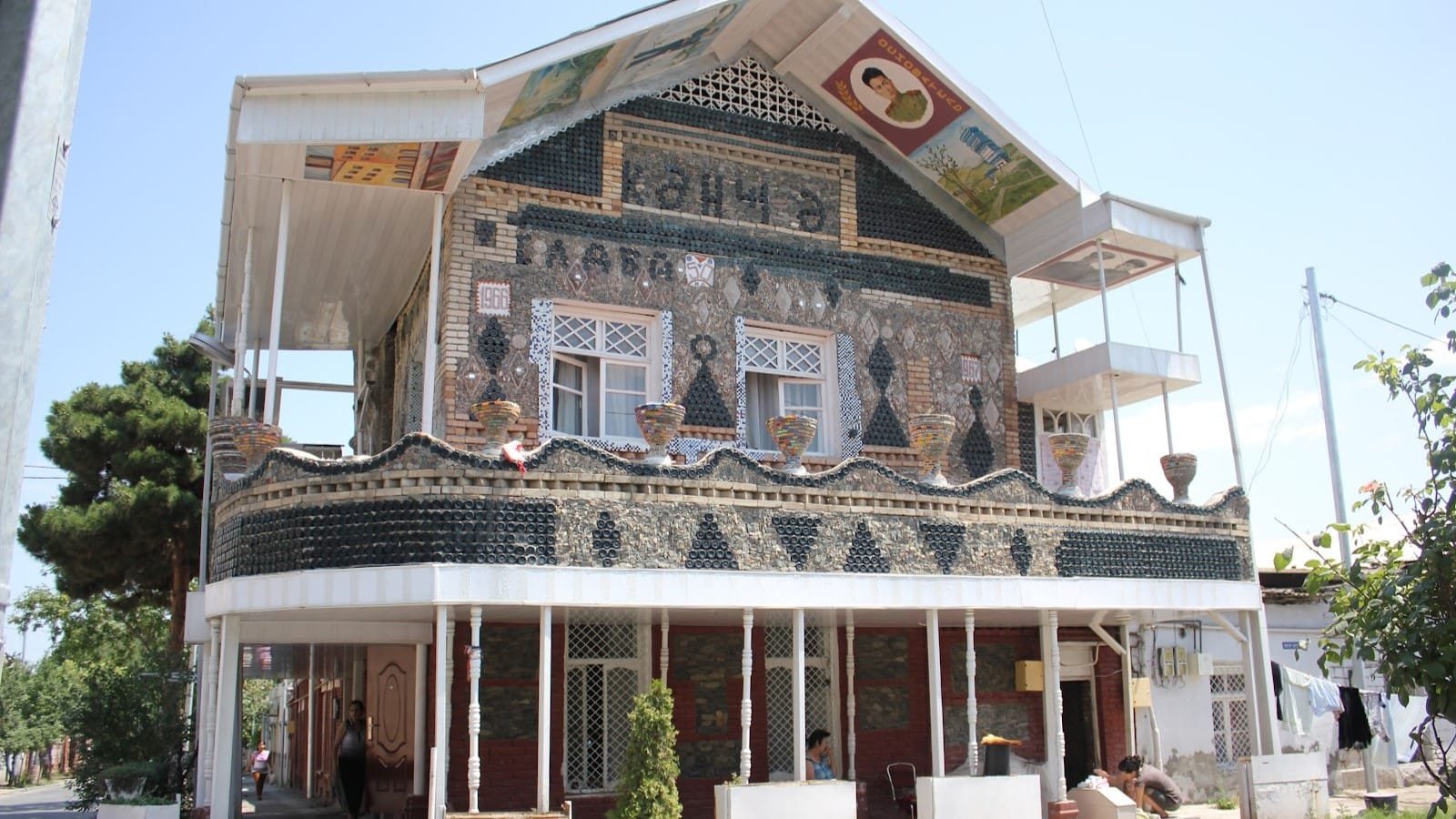
A unique attraction in Ganja can be found at the Bottle House which displays 50,000 glass bottles among its walls. This local folk art work was made by someone who lived in the area to remember his brother who remained missing during World War II.
5. Quba & Khinaliq: Mountain Villages
- Days needed: 2-3.
- Getting there: 2.5 hours by car from Baku.
- Accommodation: $20-50 in Quba, limited guesthouses in Khinaliq.
- Food costs: $3-15 per meal.
The Quba region of northern Azerbaijan preserves traditional mountain cultures which have evolved since ancient times. Quba town provides comfortable lodging while maintaining a reputation for its carpet production industry and its abundant apple orchards.
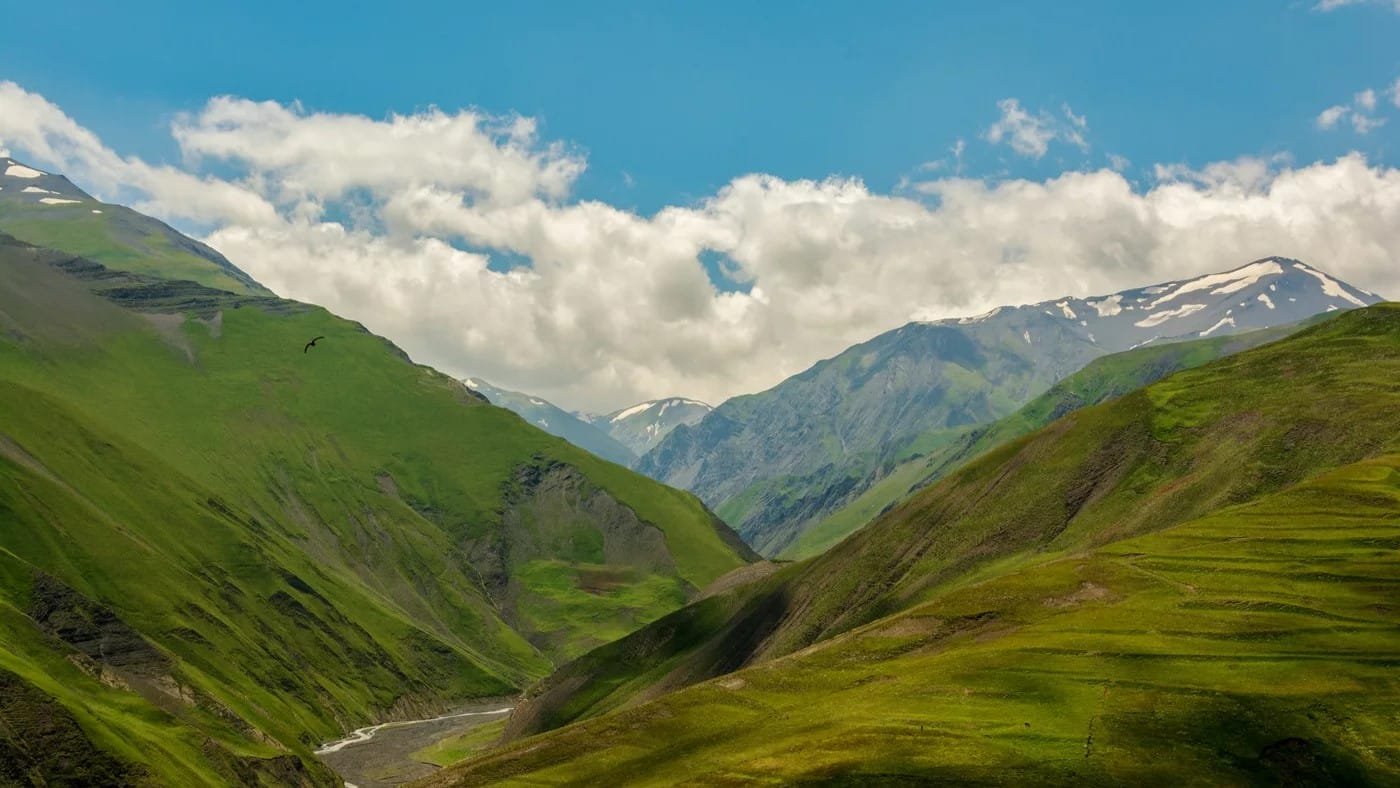
You must visit Khinaliq because this mountain village rises at 7,700 feet (2,350 meters) above sea level as the region’s highest settlement. Time seems to have forgotten this historic mountain town, which shows its stone-built structures expanding up the hillsides.
Traveling to Khinaliq requires a trip along the spectacular landscapes of the Caucasus Mountains.
You should also spare some time to visit the Red Village (Qırmızı Qəsəbə) because it stands as the one and only Jewish settlement located outside Israel that exists exclusively in a mountainous region. People from this special community have dwelled in this area for hundreds of years while keeping their distinct cultural practices intact.
6. Lankaran: Subtropical Getaway
- Days needed: 2.
- Getting there: 4 hours by car from Baku, regular buses available.
- Accommodation: $20-40 for budget, $50-100 for mid-range.
- Food costs: $3-15 per meal.
The Lower-Southern part of Azerbaijan features Lankaran’s subtropical environment which offers an entirely different climate from the rest of the nation. You can explore tea plantation sites in Lankaran city where they serve local tea drinks in traditional pear-shaped glasses.
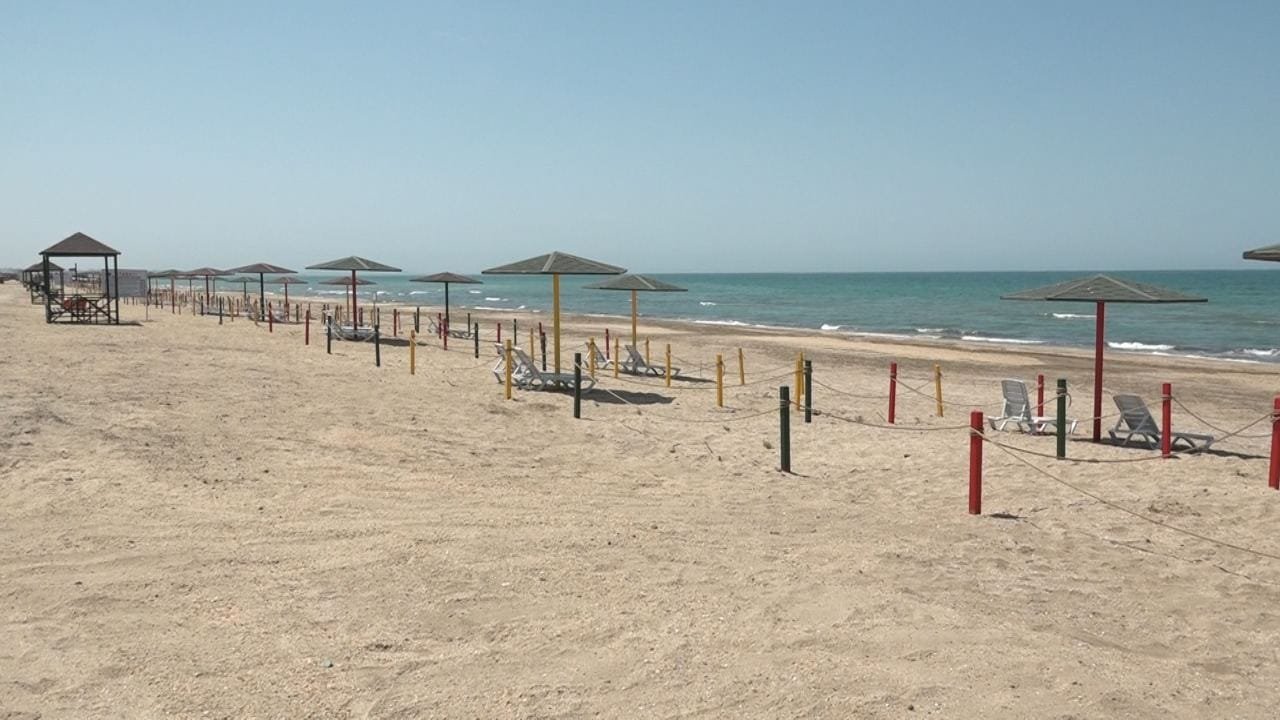
The beaches in Lankaran at the Caspian Sea remain undeveloped, giving the area a peaceful atmosphere that is in contrast to the developed Baku beaches.
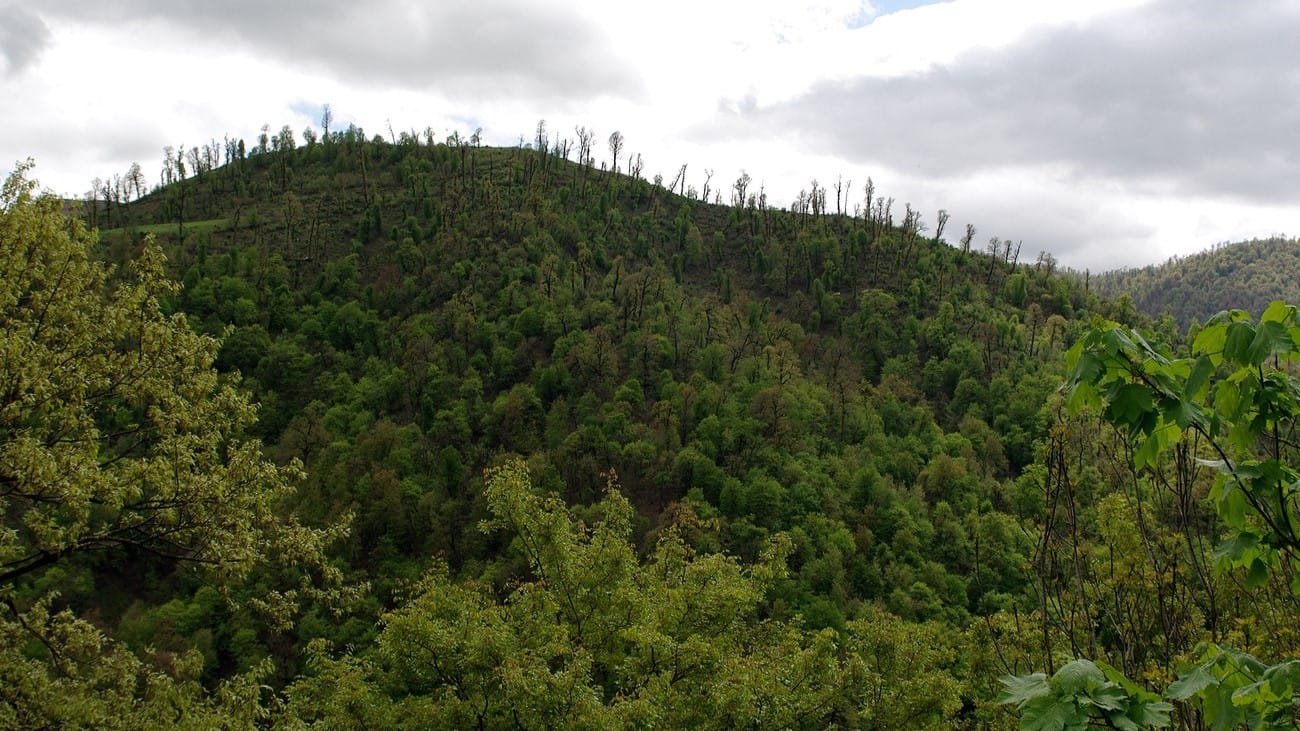
The protected subtropical forests inside the Hirkan National Park resemble Southeast Asian jungles more than Eastern European vegetation thanks to their lush tree lines that travelers can explore through designated walking paths.
Lankaran presents its distinct culinary traditions and they showcase lavangi as the local specialty made by wrapping chicken or fish with walnuts, onion and plum fillings.
The region also produces exceptional lemons among its local citrus fruit selection.
7. Nakhchivan: The Exclave
- Days needed: 3-4.
- Getting there: Flight from Baku (no land access from Azerbaijan proper).
- Accommodation: $30-70 range.
- Food costs: $3-15 per meal.
Nakhchivan represents Azerbaijan’s most isolated region because Armenia splits it off from the rest of the country. This isolated location has protected numerous original traditions and visually stunning historical sites, which have drawn almost no international visitors.
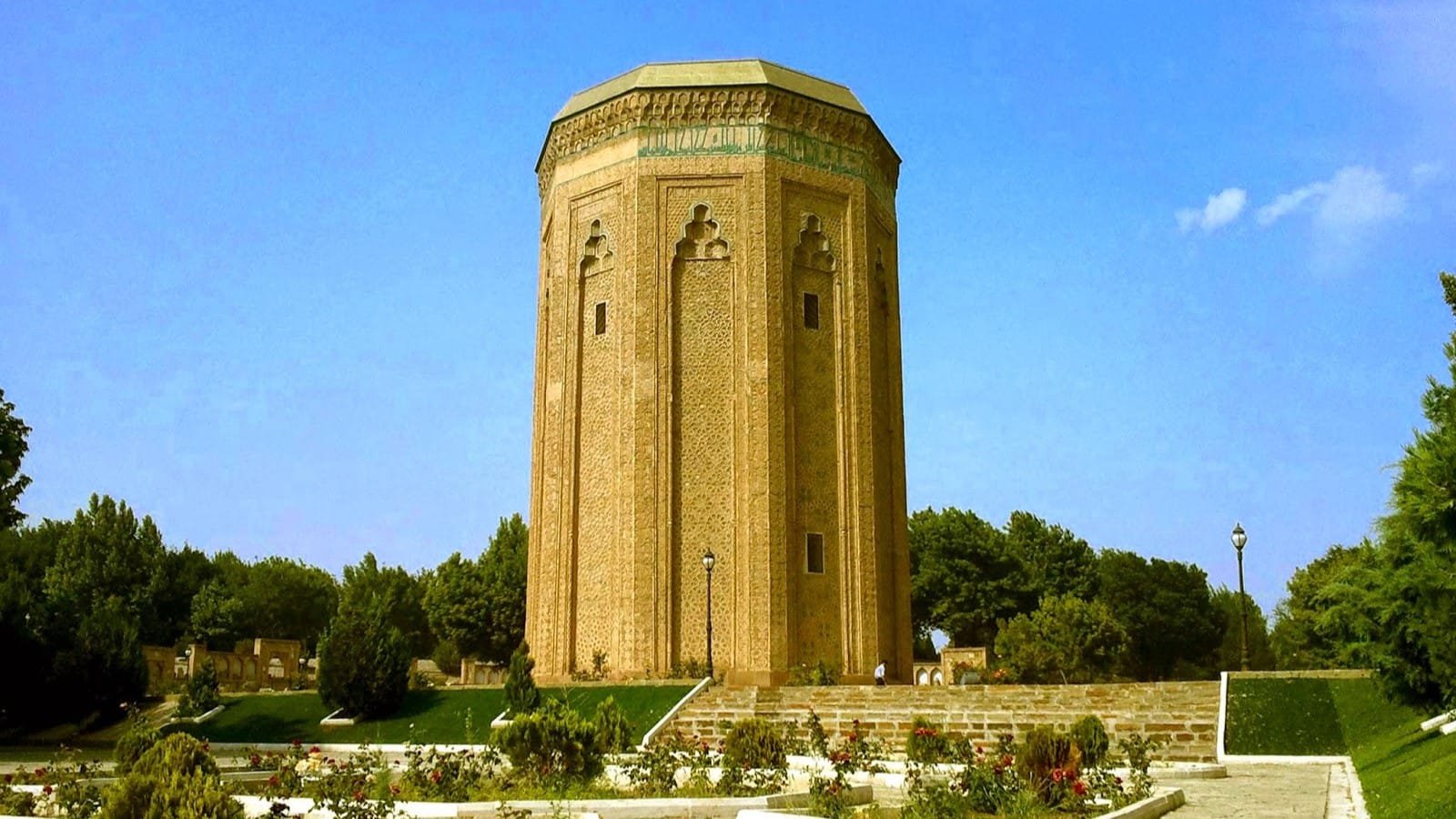
Built in 1186, the Momine Khatun mausoleum features Islamic geometric patterns which became inspiring designs for architectural developments throughout the region.
Local residents think that Ashabu Kahf cave is the cave discussed in the Quran which held seven individuals who slept inside for 309 years thus making it a sacred destination for Muslim travelers – here in Nakhchivan.
Lastly, there’s this infamous salt mine called the Duzdag. People from around the world seek treatment for respiratory conditions at this salt mine, which is potentially the oldest salt mine in the world.
Top Tourist Attractions in Azerbaijan
Beyond the main cities, these attractions deserve special mention in your Azerbaijan itinerary:
1. Gobustan National Park
This UNESCO World Heritage site contains over 6,000 prehistoric rock carvings which extend back to 40,000 years and is located an hour away from Baku. The petroglyphs reveal prehistoric human culture by showing how people lived along with images of hunting scenes and their religious rituals. The country contains the greatest number of mud volcanoes worldwide and visitors can observe their bubbling activity in this region.
2. Yanardag (Burning Mountain)
The persistent flames on an ongoing basis have consumed this hillside for many centuries. Yanardag is an everlasting landmark because natural gas rising from the ground produces a perpetual flame that blazes over mountains.
This site lies within a thirty-minute drive from Baku thus offering visitors convenient access for a quick half-day trip.
3. Ateshgah Fire Temple
Speaking of fire worship, the Ateshgah temple outside Baku was built over a natural gas vent that kept flames perpetually burning. Originally used by Zoroastrians, this pentagonal complex later hosted Hindu ascetics as well. Though the natural flame has now been extinguished (and replaced with a piped gas supply), it remains a fascinating site tied to Azerbaijan’s identity as the “Land of Fire.”
4. Caspian Sea Beaches
Azerbaijan boasts nearly 500 miles of Caspian coastline, though only the southern portions are suitable for swimming. The best beaches include Bilgah and Amburan north of Baku, and Shikhov Beach to the south. Most are developed with facilities like loungers, umbrellas, and beachside cafes. Just a heads-up—the Caspian isn’t known for crystal-clear waters, but on hot summer days, the beaches provide welcome relief.
5. Mud Volcanoes
For a truly unique experience, visit the mud volcanoes scattered around Azerbaijan’s eastern regions. Unlike regular volcanoes, these bubble up cold mud that’s said to have healing properties. Tour operators in Baku offer day trips to various mud volcano sites, where you can watch the eerily bubbling earth and even take a mud bath if you’re feeling adventurous.
6. Shahdag and Tufandag Ski Resorts
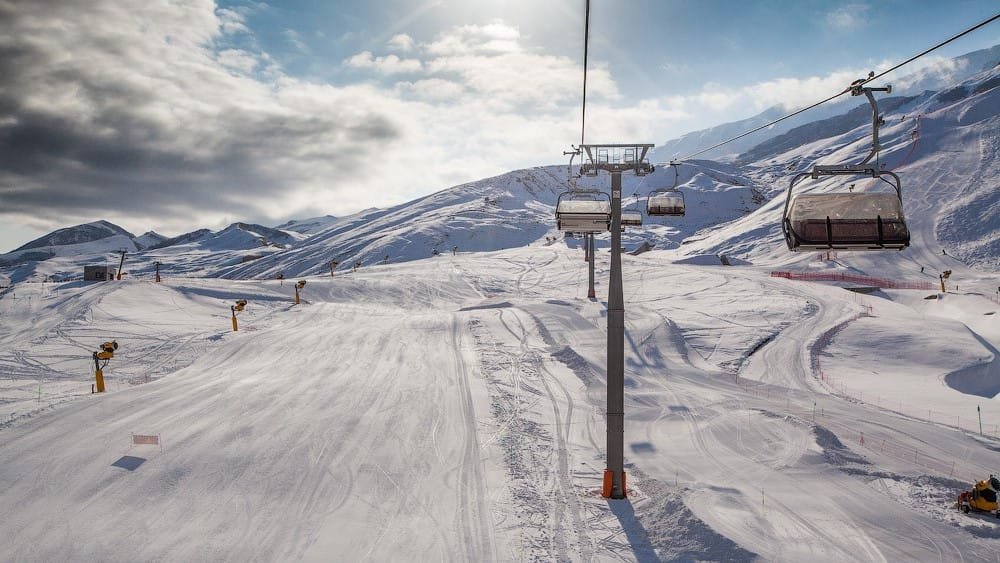
Azerbaijan welcomes winter sports enthusiasts by providing modern ski facilities at prices much lower than those in European destinations. The Shahdag Mountain Resort offers various hotels, dining establishments and winter-spring activities such as coaster rides, zip lines and summer hiking trails.
Tufandag located in Gabala is like a smaller version of Shahdag Mountain Resort.
7. Lahij & Basgal: Craft Villages
These mountain villages preserve their historical practices of craftsmanship that have existed since ancient times. The main cobblestone street in Lahij fills with the steady tapping sounds from coppersmiths who are busy in their work.
Silk creation and the traditional process of making kelagayi headscarves are the main activities in Basgal.
Moreover, the regional locations of these towns provide outstanding mountain views and the experience of traditional local culture.
Azerbaijani Cuisine
Who doesn’t love good food? We all do. When it comes to Azerbaijani food, you’ll remember it for ages since it blends Persian, Turkish and Russian influences with a diverse range of regional tastes.
Must-Try Dishes
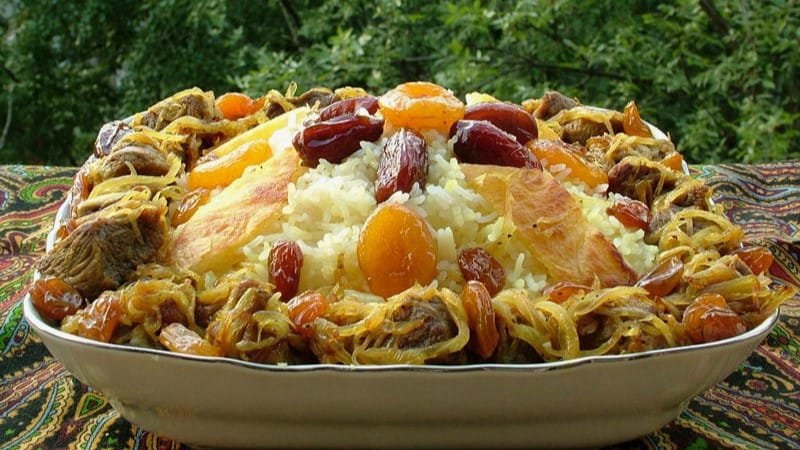
- Plov (Pilaf): Most people mistake this dish for ordinary rice – it isn’t. The plov preparation features saffron-scented rice combined with meat, dried fruits, chestnuts, and aromatic ingredients, the versions of which differ between regions. Azerbaijani people take their plov seriously because preparing this dish well defines their culinary excellence. You will find this dish in almost every celebratory event.
- Dolma: Dolma consists of grape leaves filled with lamb slices, and rice containing various herbs in various stuffing options. Apart from grape leaves, the traditional stuffed dish includes vegetables like tomatoes, peppers, eggplants, and apples too. The summer version employs fresh vegetables but winter dolma most often contains cabbage leaves.
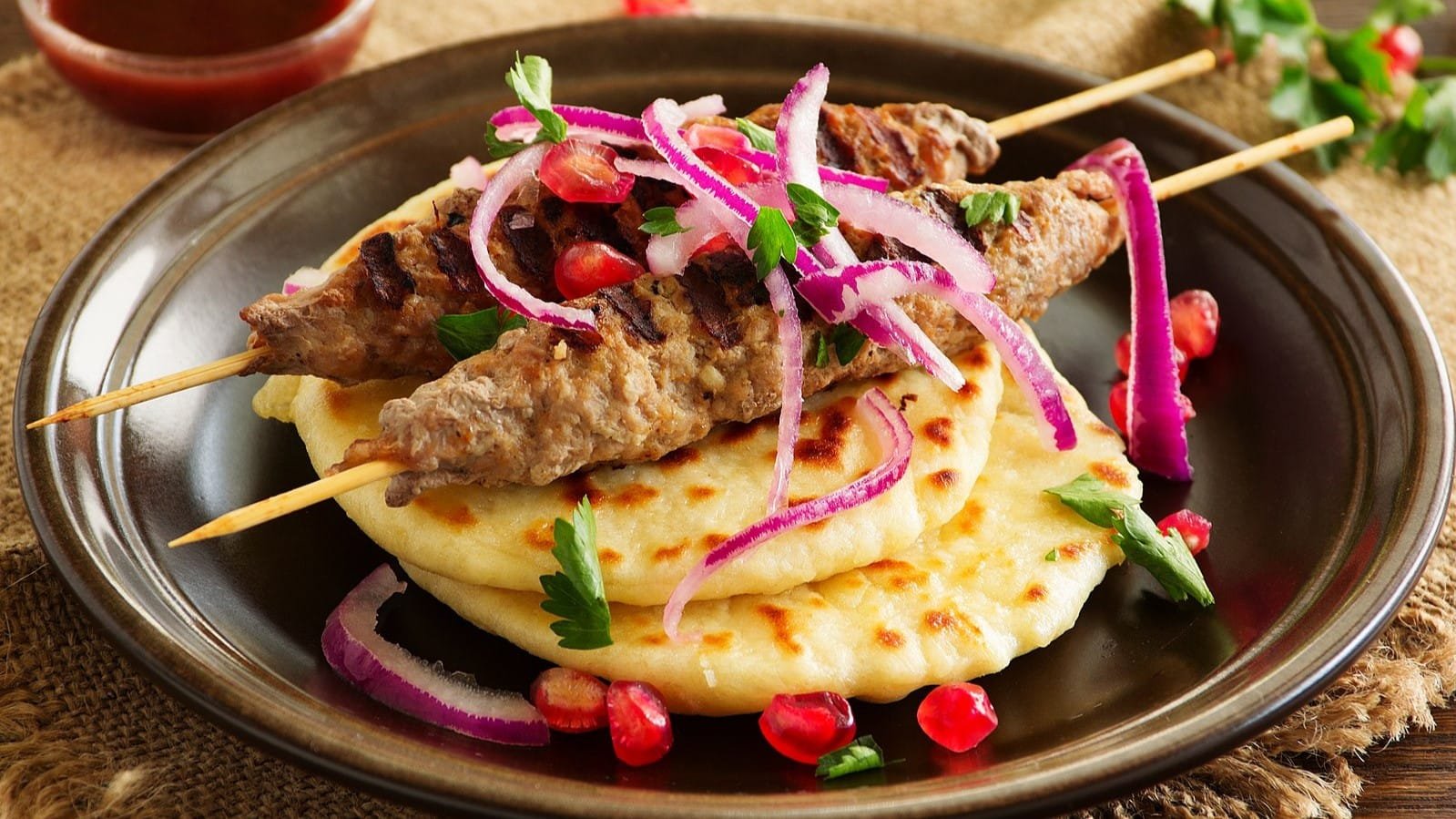
- Kebabs: Every restaurant serves kebabs at the local level. They’re more like grilled meat skewers. Traditional lamb kebabs are among the offerings at restaurants yet they serve chicken beef and fish as well. The key to this dish exists in its marinade application and the careful charcoal grill technique that allows the meat to stay juicy while achieving a light caramelization on its surface.
- Dushbara: Tiny lamb-filled dumplings served in a broth flavored with mint, sumac, and garlic. The smaller the dumplings, the more skilled the cook – traditionally, 12 dushbara should fit on a single spoon!
- Qutab: These thin flatbreads are folded over fillings like herbs, cheese, pumpkin, or meat, then quickly cooked on a sad (a convex iron pan). They’re served with sumac and yogurt and make the perfect quick lunch or snack.
Tea Culture
The people of Azerbaijan drink tea as both a tradition and an expression of friendship. The traditional way of serving tea here is done in pear-shaped glasses called armudu. These vessels maintain hot temperatures at the base while providing coolness at the rim to hold teacups.
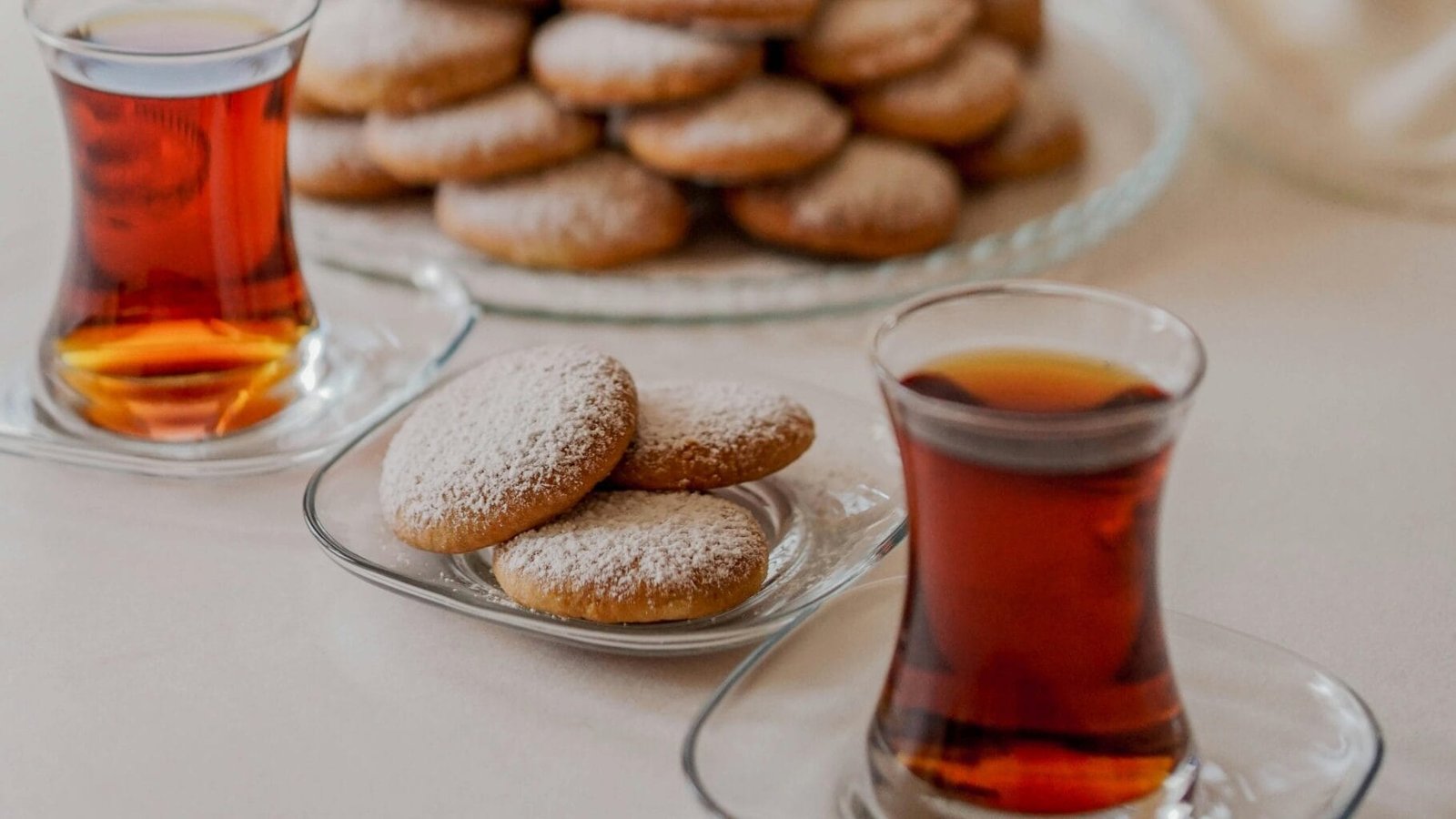
Azerbaijani tea tradition includes multiple selections of jams, nuts and desserts. It is common practice to accept tea invites from locals because it leads to meaningful dialogues.
The customary tea drinking approach requires you to insert a sugar cube between your teeth yet today most people tend to put the sugar directly into their glass. In traditional Azerbaijani culture, men use tea houses (chaykhana) as social meeting places where they drink tea while playing backgammon and discuss both sports activities and political issues.
Where to Eat
If you’re in Baku, try traditional high-end cuisine at Shirvanshah Museum Restaurant or contemporary Azerbaijani food at Firuze. Moreover, people in the area also love visiting Mangal Steak House to enjoy their delectable kebabs while keeping their budgets under control.
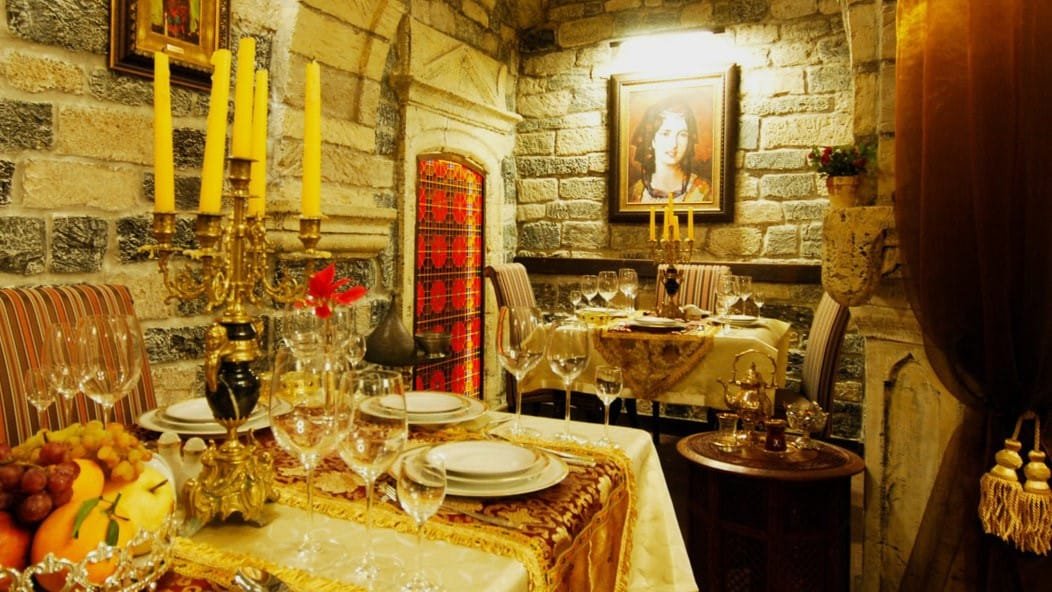
When visiting areas beyond Baku, select restaurants preferred by locals instead of typical tourist facilities. You can enjoy an excellent pit at Kagiz House in Sheki and experience regional mountain cuisine at Qafqaz Resort in Gabala.
Check for family dining spots because they indicate authentic meals prepared at affordable prices.
How to Travel to Azerbaijan
Visa Requirements
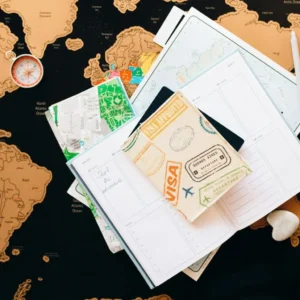
If you’re a foreigner, you will need a visa to access the country. However, this requirement becomes simple when you apply through the Azerbaijan e-Visa system.
Simply access our website to get your Azerbaijan visa through an effortless application process. Standard e-Visa users must wait 3 business days for processing. Also, the visa remains valid for thirty days only.
To apply for a visa, you need to show a valid passport for at least 6 months longer than your stay period and a passport sized picture together with your travel information (arrival and departure, accommodation, etc).
Getting There
Heydar Aliyev International Airport in Baku is the main gateway, with direct flights from major cities in Europe, the Middle East, and Asia. Azerbaijan Airlines (AZAL) connects Baku to destinations like London, Paris, Berlin, Dubai, and Moscow, while Turkish Airlines, Qatar Airways, and Lufthansa also operate regular flights.
If you’re already in the region, land borders with Georgia and Russia are open to foreign travelers (though the situation can change, so always check the latest information). The Armenia-Azerbaijan border remains closed due to ongoing tensions.
A popular route is flying into Tbilisi, Georgia, then taking the overnight train to Baku—a comfortable and scenic journey that saves on a night’s accommodation.
Transportation Within Azerbaijan
Public Transport
- Baku Metro: The capital’s subway system is efficient, clean, and incredibly cheap (about 30 cents per ride). Stations are works of art themselves, especially the newer ones with elaborate designs. Signs are in Azerbaijani and English, making navigation relatively simple.
- Buses: Intercity buses connect all major destinations, though comfort levels vary widely. Modern buses serve popular routes like Baku-Sheki and Baku-Gabala, while older vehicles may operate in more remote areas. Tickets are affordable – expect to pay $5-10 for most intercity routes.
- Taxis and Ride-Sharing: Taxis are plentiful in cities, but negotiating fares can be challenging if you don’t speak Azerbaijani or Russian. Bolt and Uber operate in Baku, offering a more transparent pricing system. For an authentic experience, try catching a shared taxi (marshrutka) from designated stands in city centers.
Renting a Car vs. Private Driver
Renting a car gives you freedom to explore, but be warned – driving in Azerbaijan is not for the faint-hearted. Traffic rules seem optional in Baku, and road conditions outside cities can be unpredictable. International rental companies like Hertz and Avis operate in Baku, with prices starting around $30-40 per day.
A better option for most visitors is hiring a private driver, especially for mountain areas. For around $60-100 per day, you get a car with a local driver who knows the roads, the language, and often serves as an informal guide. Many hotels can arrange this service, or you can book through tour agencies in Baku.
Train Travel
Azerbaijan’s rail network is limited but includes some useful routes. The Baku-Tbilisi line is popular with travelers, while domestic routes connect Baku with Ganja, Sheki, and other cities. New high-speed trains are gradually being introduced on main routes, reducing travel times significantly.
Domestic Flights
If you’re short on time, Azerbaijan Airlines operates flights from Baku to Ganja and Nakhchivan. These can save hours of travel time, especially to Nakhchivan, which is otherwise only accessible by flying due to closed borders with Armenia.
Travel Tips And Safety in Azerbaijan
Currency & Payment
Azerbaijan uses the Manat (AZN), which has been relatively stable in recent years. ATMs are widely available in cities, and credit cards are accepted at most hotels and upscale restaurants. Outside major tourist areas, cash is king, so keep some on hand for smaller towns and villages.
The best exchange rates are found at banks rather than hotels or airport currency exchanges. Avoid street money changers, who may scam unwary tourists with sleight-of-hand tricks.
Language
Azerbaijani (similar to Turkish) is the official language, with Russian widely understood as a second language, especially among older generations. English proficiency is growing in Baku and tourist areas but remains limited elsewhere.
Learning a few basic phrases in Azerbaijani will earn you smiles and often better service:
- Salam (hello)
- Təşəkkür (thank you)
- Bəli/Xeyr (yes/no)
- Neçəyədir? (how much?)
Read also: Useful Azerbaijani Vocabulary | English to Azerbaijani Translation
Safety Tips
Azerbaijan is generally very safe for travelers, with low crime rates and a strong police presence in tourist areas. Women travelers report feeling secure even when exploring alone. Still, common-sense precautions apply:
- Keep valuables secure and be aware of your surroundings in crowded areas
- Avoid discussing the Nagorno-Karabakh conflict, which remains a sensitive political issue
- Register with your embassy if visiting remote border regions
- Carry a copy of your passport and visa while keeping the originals in your hotel safe
The biggest danger to tourists might be aggressive driving, so cross streets carefully and use marked crosswalks.
Cultural Etiquette
Azerbaijanis are generally relaxed about cultural norms but appreciate visitors who show respect for local customs:
- Dress modestly when visiting mosques or rural areas (shoulders and knees covered)
- Remove shoes when entering homes
- Accept hospitality when offered—declining can sometimes cause offense
- Never refuse tea, though you don’t have to finish it
- Ask permission before photographing people, especially in rural areas
Azerbaijanis are proud of their culture and history and love to share it with visitors. Show genuine interest, and you’ll make friends quickly.
Final Thoughts
We hope that this Azerbaijan travel guide has educated you well.
Tourists visit the country for an authentic experience of Eastern tradition alongside Western innovation because they receive guestlike treatment instead of regular tourist treatment.
Azerbaijan provides unforgettable experiences ranging from admiring ancient rock carvings to mountain viewing and enjoying outstanding food while purchasing handcrafted carpets across the entire country. Its tourism sector is new, the major attractions remain accessible during times when most other destinations become crowded.
Foreign visitors must obtain their Azerbaijani visa in particular by visiting our website visaforazerbaijan.org.uk or you can contact us at service@visaforazerbaijan.org.uk. Don’t forget to streamline your visa application process early-on so that you can focus on designing the perfect trip.
Eligible Countries for Azerbaijan Visa
| 🇮🇳 India | 🇵🇰 Pakistan | 🇸🇦 Saudi Arabia |
| 🇺🇸 United States of America (USA) | 🇬🇧 United Kingdom (UK) | 🇨🇦 Canada |
| 🇮🇹 Italy | 🇱🇰 Sri Lanka | 🇪🇸 Spain |
| 🇦🇺 Australia | 🇳🇱 Netherlands | 🇩🇪 Germany |
| 🇴🇲 Oman | 🇰🇼 Kuwait | 🇮🇱 Israel |