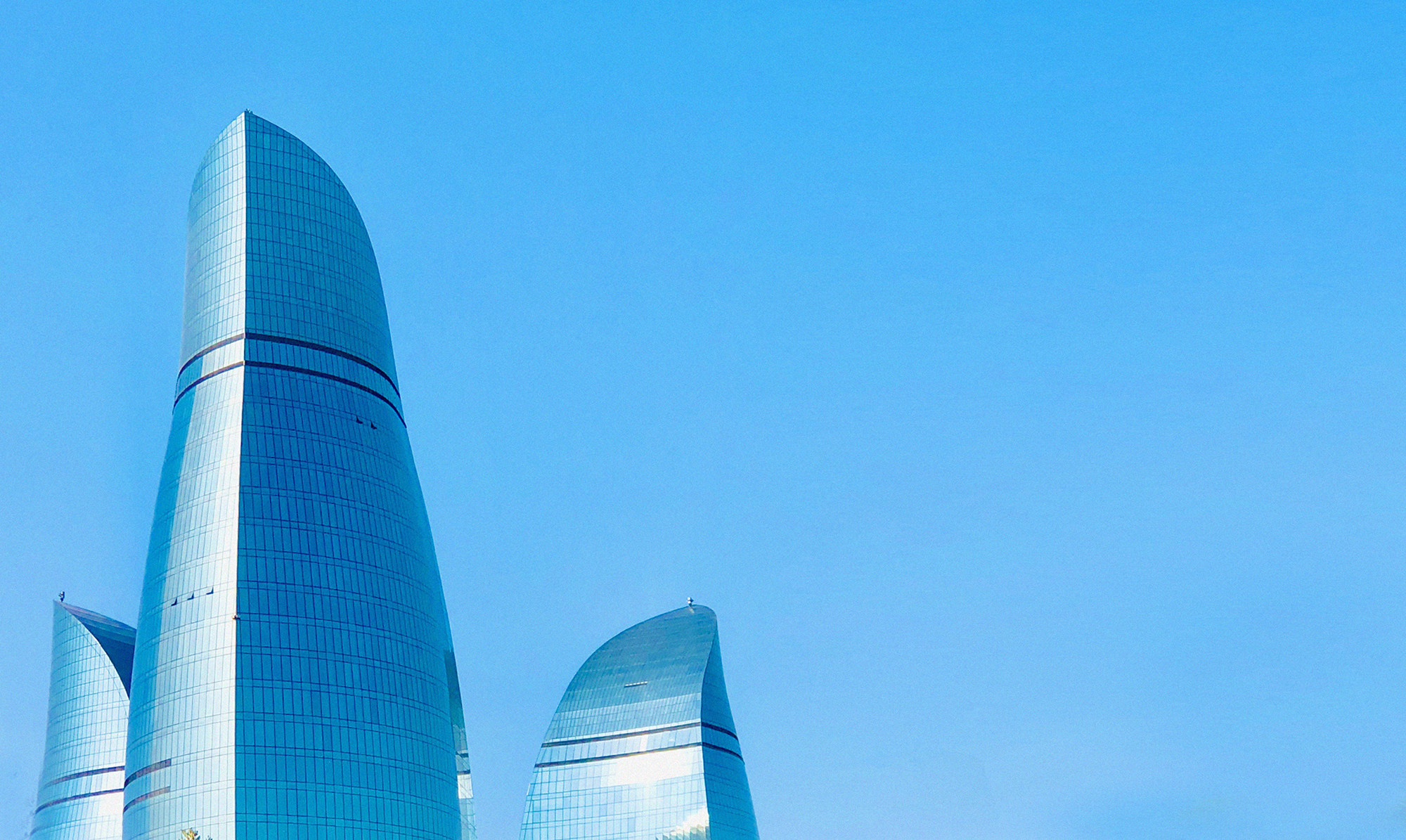


Thinking of heading to Azerbaijan? Nice choice. Before you fall down the Instagram rabbit hole of Flame Towers and carpet museums, let’s talk about the climate. Baku, being the capital – is windy, dry, sometimes hot, sometimes cold, and often strange. The kind of place where you wear a T-shirt in the morning and wish you had a down jacket by 4 PM. That kind of unpredictability. So – it’s better to be aware of the weather beforehand. Doing so will help you plan accordingly.
And before you get familiar with its weather – there’s one more thing that is equally important. The Azerbaijan visa – so do yourself a favor and sort that out now via https://visaforazerbaijan.org.uk. We will help you obtain your visa as soon as possible.
All you need to do is visit our website, put in your details, attach docs, pay the fee and you’re good to go. Bookmark it. It’ll be the best decision you’ve ever made.
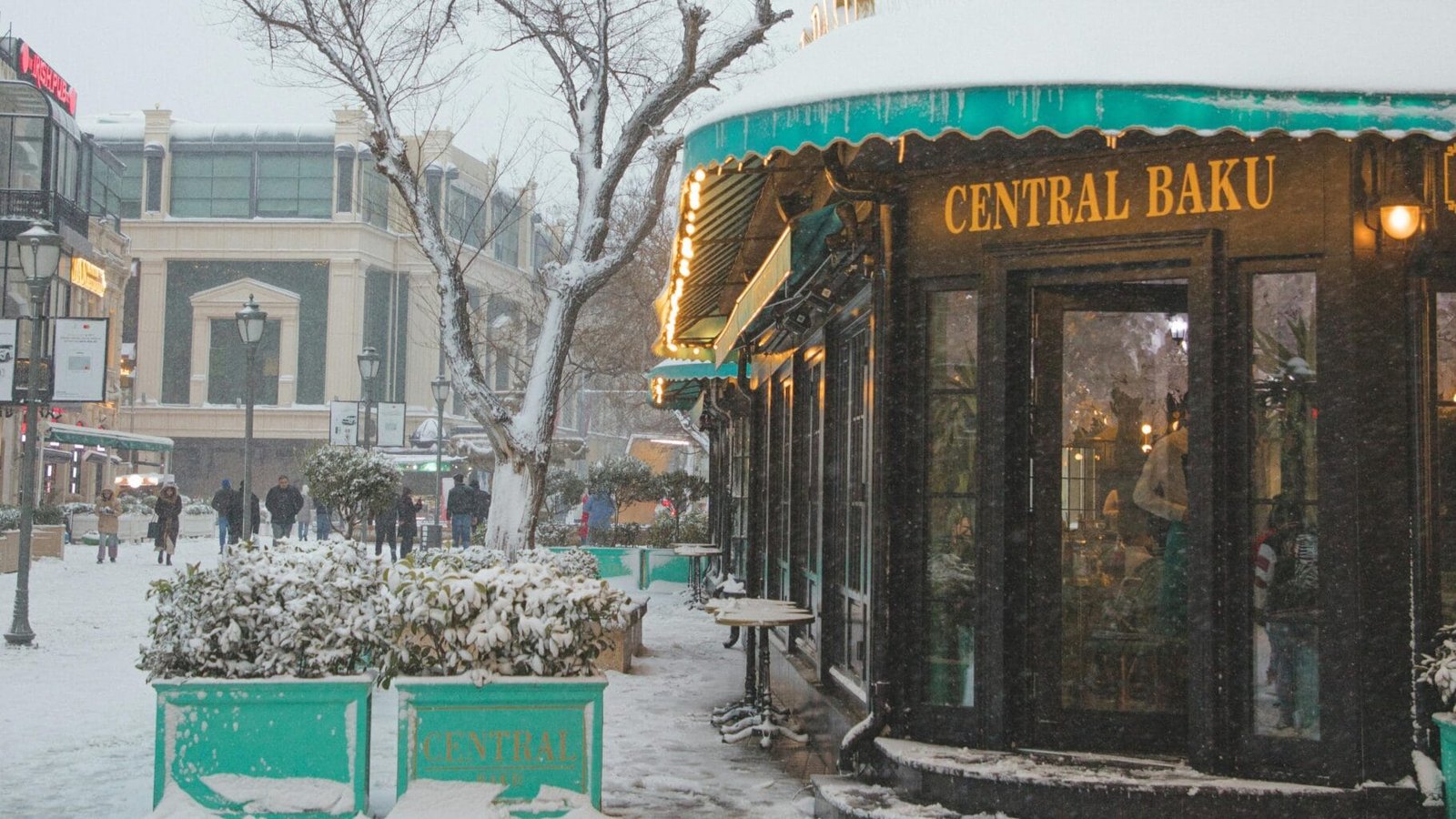
Azerbaijan Climate Overview
Azerbaijan isn’t big on consistency. You’ve got the Caspian Sea on one side, snow-capped mountains on the other, and nine – yes, nine climate zones in between. Try packing for that. In some parts of the country, it’s like spring never leaves. In others, winter shows up, overstays, and brings friends.
Baku doesn’t play the same game as the rest of the country. It’s dry. It’s desert-meets-coastal-breeze. Rain’s rare. Sun’s common. And if you hate humidity, congratulations – you’ve found your happy place. But you’ll still need to check the calendar before planning anything outdoors. It’s that kind of place.
Baku Weather And Temperature By Month
Here’s what you came for. Data. Details. Numbers. This table? It’s your cheat sheet to life in Baku, month by month. Save it. Screenshot it. Tattoo it on your arm, maybe.
| Month | Min Temp (°C) | Max Temp (°C) | Precip Days | Precip (mm) | Sun Hours/Day | Sea Temp (°C) |
| January | 2 | 8 | 6 | 25 | 3 | 10 |
| February | 2 | 8 | 6 | 20 | 4 | 9 |
| March | 4 | 11 | 5 | 25 | 5 | 9 |
| April | 8 | 16 | 4 | 15 | 6 | 10 |
| May | 14 | 23 | 3 | 15 | 8 | 15 |
| June | 19 | 29 | 2 | 5 | 11 | 21 |
| July | 22 | 31 | 1 | 0 | 11 | 24 |
| August | 22 | 32 | 2 | 5 | 10 | 26 |
| September | 18 | 27 | 2 | 15 | 8 | 24 |
| October | 13 | 20 | 6 | 25 | 6 | 20 |
| November | 8 | 14 | 6 | 35 | 4 | 16 |
| December | 4 | 10 | 6 | 25 | 3 | 12 |
Month-by-Month Breakdown of Baku’s Mood Swings
January
January in Baku is a time of subdued energy. The average high temperature hovers around 8°C, while lows can dip to 5°C. Rainfall is modest, averaging 18mm over approximately 9 days. Snowfall is infrequent but possible, with about 2.4 days of snow and an accumulation of 10mm. The sea remains cold at 9°C, discouraging swimming.
Sunshine is limited, with an average of 4.8 hours per day, and daylight lasts about 9 hours and 40 minutes. Humidity averages 74%, and the UV index is low at 2. Wind speeds average 23.1 km/h, contributing to the brisk atmosphere. January is a month for indoor activities and experiencing the city’s cultural offerings.
February
February continues the winter trend in Baku. Average high temperatures remain at 8°C, with lows around 4.6°C. Rainfall is similar to January, with about 22mm over 6 days. Snowfall can occur, averaging 15mm over 3.2 days.
The sea temperature drops to its annual low of 8°C, making swimming inadvisable. Sunshine increases slightly to 6.2 hours per day, and daylight extends to approximately 10 hours and 41 minutes. Humidity peaks at 75%, and the UV index rises to 3. Wind speeds average 23.2 km/h, maintaining the chilly feel. February is suitable for exploring indoor attractions and enjoying local cuisine.
Read also: Top Ski Resorts in Azerbaijan
March
The arrival of spring in Baku happens during the month of March. The weather in March reaches high temperatures of 11.3°C while the nighttime lows remain at 4.3°C. The rainfall during this period reaches a maximum of 25mm while spreading across 5 days.
The quantity of snowdrops during this season stays minimal because snowfall events become increasingly infrequent. The sea remains cold at 8.5°C.
The city receives approximately five hours of sun each day during this period, while daylight keeps stretching to twelve hours. At this time, humidity levels can drop to 67% – while the UV index can reach 4.
During March, the average wind speed remains at 23.2 kilometers per hour. On the other hand, June provides both indoor and outdoor activities in Baku as it experiences changing weather conditions.
April
The weather pattern in Baku undergoes a clear transformation during the month of April. The city experiences an average maximum temperature level of 15°C that falls beside an average minimum temperature level of 10.1°C.
Rainfall decreases to 8mm over 6.7 days. Snowfall is absent. The sea warms slightly to 11°C.
The daily average amount of sunshine per day reaches 9.6 hours, and daylight expands to about 13 hours and 18 minutes.
Humidity averages 67%, and the UV index rises to 5. Wind speeds average 21.3 km/h.
Outdoor enthusiasts should visit Baku in April because the weather invites exploration through city parks and garden visits.
May
Baku experiences comfortable climate conditions in May. The temperatures reach an average high of 21.8°C along with average lows of 16.4°C. Rainfall was recorded at 10 millimeters across six and a half days in May. Snowfall is nonexistent.
At 15°C, the water temperatures become suitable enough to take a swim.
Baku experiences 11.7 hours of daily sunshine along with daylights reaching lengths of 14 hours and 26 minutes.
The weather in Baku shows decreasing humidity (up to 61%) and an increasing UV index to 6 during this month. Wind speeds average 19.8 km/h. Operating outside and visiting the city’s attractions becomes ideal during May.
June
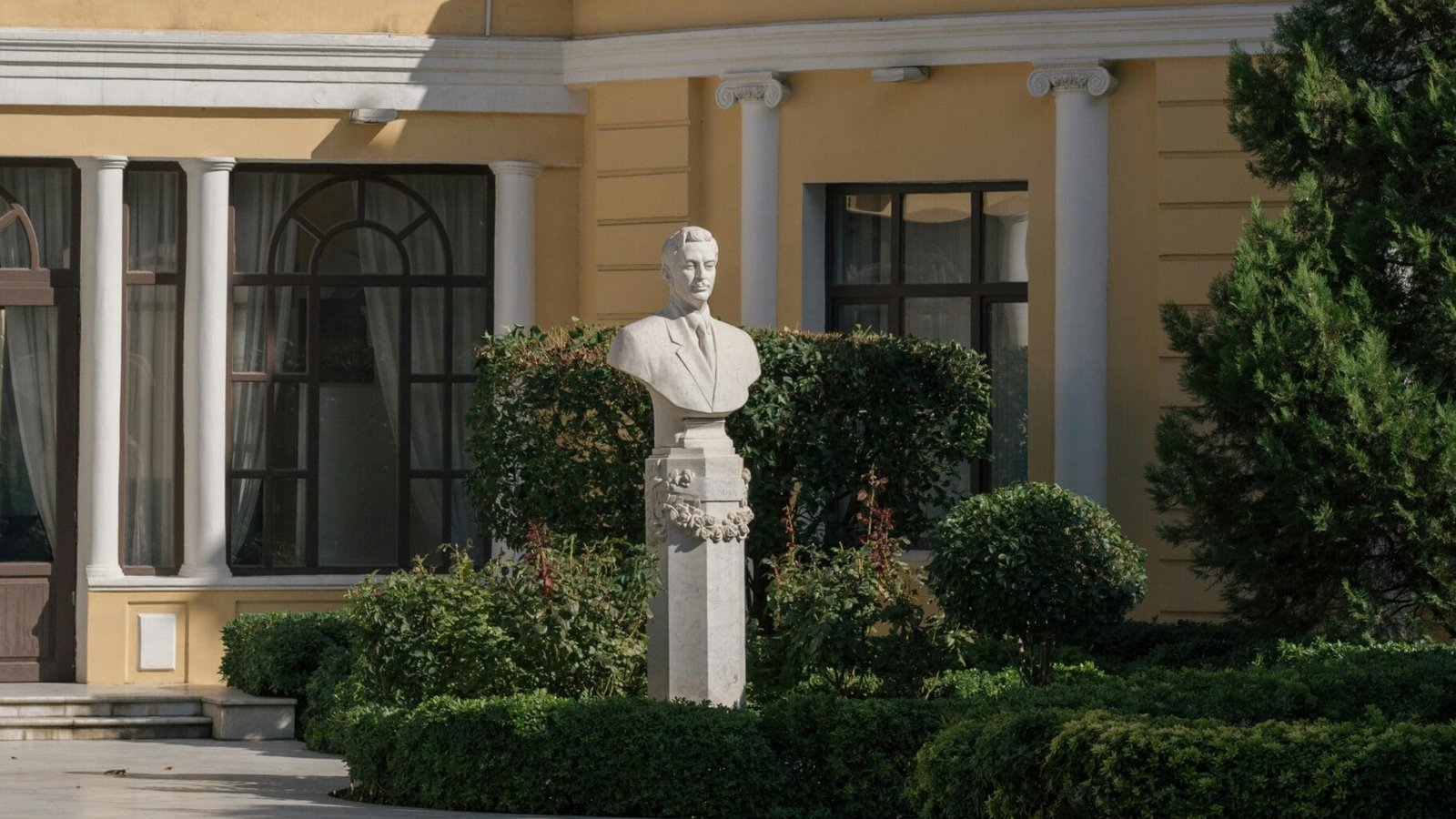
June marks the beginning of summer in Baku. Average high temperatures reach 28.7°C, with lows around 18.8°C. Rainfall is minimal at 5mm over 2 days. Snowfall is absent. The sea warms to 21°C, making it suitable for swimming. Sunshine averages 11 hours per day, and daylight extends to approximately 15 hours. Humidity decreases to 54%, and the UV index peaks at 7. Wind speeds average 17.4 km/h. June is ideal for beach activities and enjoying the city’s vibrant outdoor scene.
July
July is the hottest month in Baku. Average high temperatures soar to 29.8°C, with lows around 21.9°C. Rainfall is scarce at 2mm over 1 day. Snowfall is nonexistent. The sea reaches its warmest at 24.5°C, perfect for swimming. Sunshine averages 12 hours per day, and daylight lasts about 14 hours and 44 minutes. Humidity remains low at 54%, and the UV index stays at 7. Wind speeds average 21.3 km/h. July is ideal for beachgoers and those seeking sun-filled days.
August
August continues the summer heat in Baku. Average high temperatures remain around 31.7°C, with lows at 21.6°C. Rainfall is minimal at 7mm over 2 days. Snowfall is absent. The sea temperature peaks at 26°C, offering excellent swimming conditions. Sunshine averages 10 hours per day, and daylight lasts about 14 hours. Humidity stays at 54%, and the UV index remains at 7. Wind speeds average 20.5 km/h. August is perfect for enjoying the beach and outdoor festivals.
September
The September temperatures reach an ideal level of 25.2°C (77.4°F) during daytime. On the other hand, nighttime temperatures drop to 18°C (64.4°F). The summer heat in September creates a fashionable sheen on your skin instead of overwhelming heat that causes steamy discomfort.
The city will lightly sprinkle you with 17mm of rain during the 4.6-day period. Baku displays its humidity through light drizzles – making sure it doesn’t soak your shoes completely. The humidity increases little by little, reaching 65% as Baku seems to release the tension it built during its long dry phase following the summer months.

Sunlight clocks in at 9.3 hours per day. People who love summer can enjoy a sun-drenched September in Baku since the sea maintains 24°C warmth and the UV index remains at a moderate level of 5. The Caspian coast of Baku offers a relaxing atmosphere these days where visitors can appreciate reading, along with sipping tea alongside the beautiful thought of discovering their new monthly favorite.
September breezes offer a calm touch that enhances Instagram-friendly tousles through the hair rather than wild wind adventures. A gentle speed of 19.5 km/h creates a wind motion that turns your ordinary selfies into fashionable pictures. A composed atmosphere replaces the previous chaotic feeling of the city. You can experience Baku’s genuine persona through this period, both beyond its songs and beyond its music list.
October
Baku dresses in a cardigan before listening to acoustic playlist music during this month. The maximum temperature during this period reaches 19.5°C (67.1°F), but the minimum temperature stays at 13.4°C (56.1°F).
During October, rainfall reaches 26mm and spreads over 6.8 days. The weather brings minimal rain during this period, which creates a romantic mist on the city streets.
There are sufficient daylight hours of 8.2 per day to allow strolling, sipping drinks, and creating illusions of living in this paradise. You can remove your hat during this period since the UV index measurement of 4 will not trigger scalp burns. Despite a temperature of 21°C, the seas remain comfortable for swimming. However, the number of people testing their aquatic skills declines sharply unless they hail from Iceland.
Humidity? A respectable 68%. Wind? Around 18.4 km/h – persistent but poetic. Ideal windy conditions that make the use of scarves – even more important.
November
The average November temperatures in Baku measure 14.7°C (58.5°F) during the day and 9.4°C (48.9°F) at nighttime. You’ll want a jacket. Maybe even a scarf. Maybe even some introspection.
The monthly rainfall reaches 29mm throughout six days of weather. Light rain and dense clouds become ordinary elements that produce the perfect atmosphere to enhance the tea-drinking hobby. Sunlight during this time lasts less than 6.2 daily hours because twilight arrives early. You’ll feel it.
The gradual decrease in daylight duration produces a peculiar influence that pushes people to either exert great haste or stand motionless to observe the ocean and seek an enigmatic response.
Humidity hovers around 71%, and the wind picks up just a little at 19.9 km/h. Still not hurricane territory, but enough to make you tuck your chin into your collar. The sea? A chillier 17°C. Still swimmable if you’re the type of person who uses “invigorating” to describe cold water. For the rest of us? Just dip your toes and call it a win.
December
December in Baku has mood swings, but we respect her for it. One day, it’s chilly and poetic; the next, it’s wind-slapped and wants you to go home early. Highs sit at 10.6°C (51°F), lows at 6.6°C (43.9°F), and yes, it’s the time to finally break out that dramatic wool coat you brought “just in case.”
Rain is steady at 20mm over 6.3 days – not enough to ruin your plans, but enough to keep you guessing. There’s this ever-present sense that snow might show up. It usually doesn’t, but December likes to keep the drama alive. When it does snow (about 1.5 days, on average), it’s fleeting but magical. Like the city just dusted itself in powdered sugar and said, “See? I can do pretty and cold.”
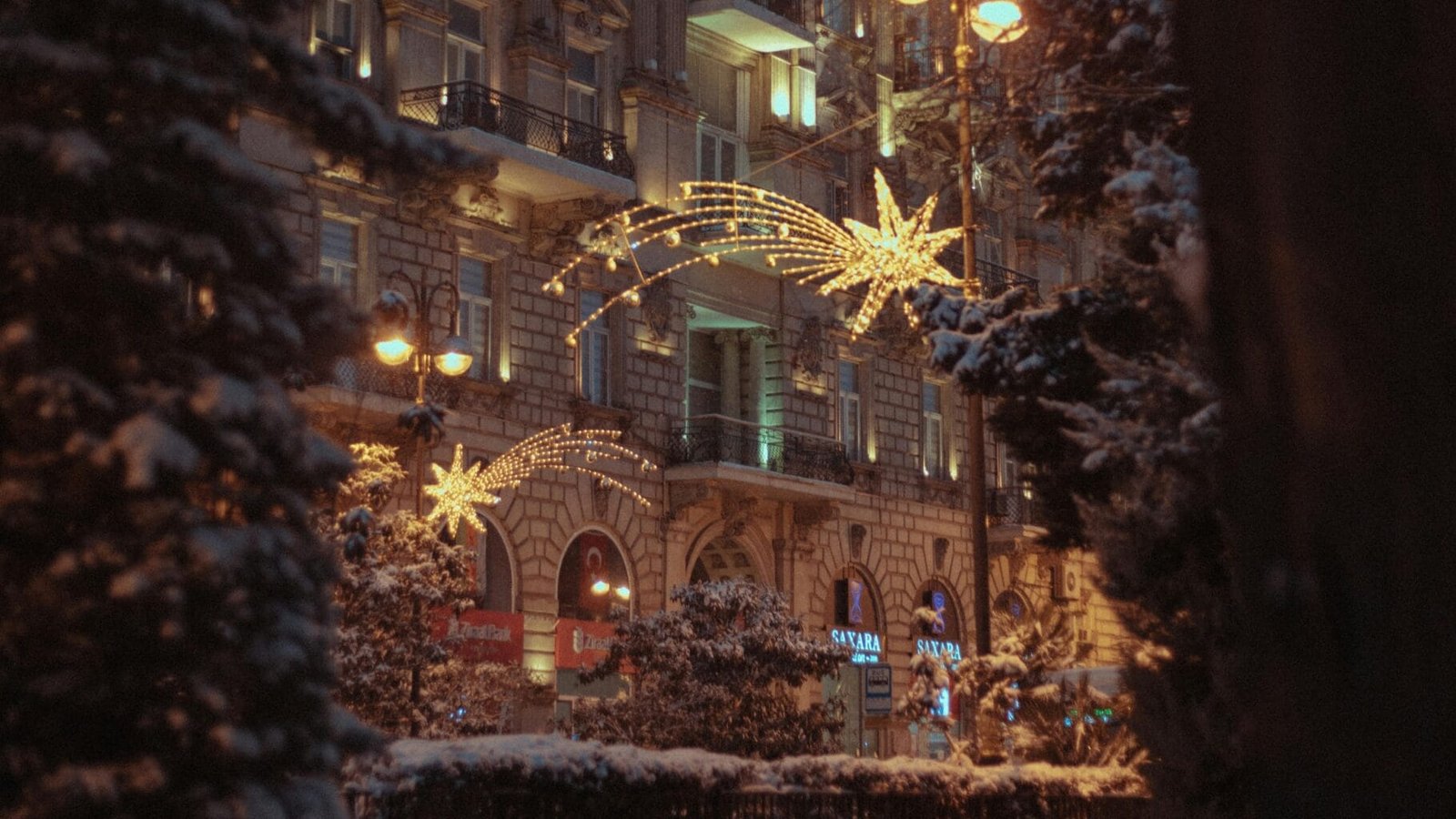
Sunshine is a brief affair – around 4.5 hours a day, and daylight averages just under nine and a half hours. But what it lacks in light, December makes up for in mood.
Humidity bumps up to 73%, and the wind? A noticeable 22.5 km/h. December’s wind doesn’t play around. It wants to be felt. It wants to mess up your hair and force you into cozy cafes where the tea is strong and the desserts are homemade.
FAQs
What is the general climate like in Azerbaijan?
All over the place. Nine zones. Mountains, lowlands, coastlines. Azerbaijan’s climate is a buffet of extremes.
How many climate zones are in Azerbaijan?
Nine. Not joking. From subtropical to alpine tundra. One minute, you’re sweating; the next, you’re layering up.
What’s the average Azerbaijan temperature?
Depends on where you are. But in lowlands and cities like Baku, expect summer highs around 30°C and winter lows around 2–4°C. The temperature in Azerbaijan varies wildly across regions.
How hot is Azerbaijan in summer?
Inland? Brutal. Coastal? Manageable. 45°C is not unheard of in some areas. But Baku stays in the low 30s. Still hot, but not hellish.
Does Azerbaijan have snow?
Yes. Mostly in the mountains. If you’re into skiing, head to Shahdag or Tufandag. Azerbaijan snow isn’t everywhere, but when it falls, it’s beautiful.
Is Azerbaijan cold in winter?
Depends on the region. Baku is mild-ish – rarely below zero. But if you’re mountain-bound, pack like you’re heading to Siberia.
When’s the best time to visit for decent weather?
Late May to early October. Especially June. Azerbaijan weather in May is chill, and Baku’s temperature in June hits that beach-perfect zone.
Conclusion
So there it is – no sugarcoating, no vague predictions. Just raw data and real talk about what you’re getting into. Baku doesn’t mess around with its climate. One month, it’s sunglasses and sweat; the next, it’s scarves and grumbling.
Plan right, and you’ll catch it at its best. Want beach days? Aim for June through August. Prefer mild and breezy? May or September is your window. Snow in your plans? Head to the mountains, not Baku.
And hey, don’t forget the essentials. Before you book flights and reserve hotels, grab your Azerbaijan visa from our website. If you’ve got questions, email us: service@visaforazerbaijan.org.uk.
Azerbaijan isn’t the kind of place you visit by accident. You come with a plan, a passport, and an appetite for contrasts. Start with the weather. Then go live it.
Eligible Countries for Azerbaijan Visa
| 🇮🇳 India | 🇵🇰 Pakistan | 🇸🇦 Saudi Arabia |
| 🇺🇸 United States of America (USA) | 🇬🇧 United Kingdom (UK) | 🇨🇦 Canada |
| 🇮🇹 Italy | 🇱🇰 Sri Lanka | 🇪🇸 Spain |
| 🇦🇺 Australia | 🇳🇱 Netherlands | 🇩🇪 Germany |
| 🇴🇲 Oman | 🇰🇼 Kuwait | 🇮🇱 Israel |